What we choose to remember
Download MP3Mack Male:
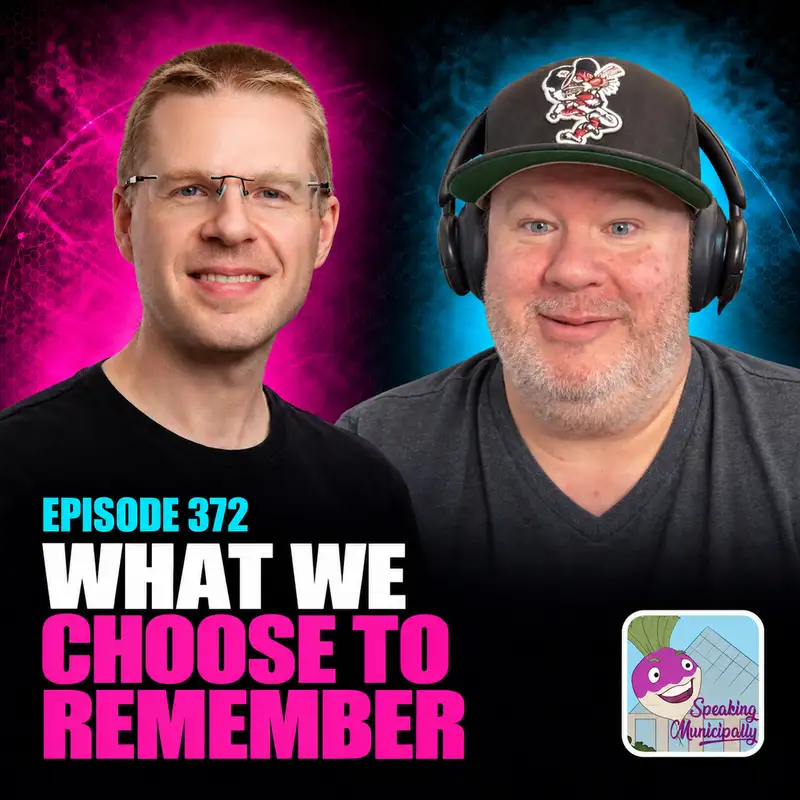
What we choose to remember. This week I speak with heritage advocate Andy Grabia about the fight to keep the University of Alberta's Casavant organ in Convocation Hall. We also look at Edmonton's uneasy relationship with its heritage, and ten years after Rogers Place opened, revisit the arena debate and the fate of Rexall Place. Hi, I'm Mack, and this is Speaking Municipally. Welcome back to Speaking Municipally, episode 372. I'm really excited about this interview with Andy. We had such a good conversation. It could have been probably hours long. I think you'll get a lot out of this. But before I get into the interview, I have an ad for you. This episode is brought to you by Life Sciences Week, which takes place Sept. 21 to 25 in Edmonton and Calgary. I had the opportunity recently to speak with Andrew MacIsaac, the CEO of API, Applied Pharmaceutical Innovation, which is the organization behind Life Sciences Week. And we got to talking about all the disruption in the world and why events like this matter so much in that context. So here's what Andrew had to say.
Andrew MacIsaac:
In our mindset, you know, when it comes to the objective of Life Sciences Week and the objective of what we're trying to do is to remind the folks who are making policies, the folks who are in elected office and the folks in the business community that the opportunity has never been stronger. And, you know, we really have the opportunity to push that gas pedal hard because as we pivot away from the old supply chains that, you know, were heavily tied with non-NATO countries, or that we're heavily exposed to single large allies, like we're an environment that can really be a very attractive place to grow. And, you know, not only will people benefit here from high-paying jobs and from economic growth, but we'll benefit from having a product that'll save our lives produced in our own backyard and you know, ideally being able to sleep better at night because you know that we're not as tied to that supply chain risk as we used to be. Life sciences are always a global industry. They will always continue to be one. And, you know, we should look at global health problems as a global citizenry, but at the same time, you know, taking the talent we have here and applying it to those tough problems is in my mind a very, very courageous and worthwhile endeavour.
Mack:
Life Sciences Week kicks off on Monday morning, Sept. 21. I'll be there, so please come and say hi if you're attending as well. And I'm also moderating a panel on Tuesday, Sept. 22 called Inside the MedTech Innovation Highway: Founder Stories from Alberta's Innovation Front Lines. I would love to see you there. You can learn more about that and all the events taking place at life sciencesweek.ca. Andy, welcome to Speaking Municipally.
Andy Grabia:
Thanks for having me, Mack.
Mack:
I've known you for a long time. I've had the pleasure of knowing you for a number of years, but our audience maybe has not. So maybe very quickly off the top, tell us a bit about who you are and why you're on Speaking Municipally this week.
Andy:
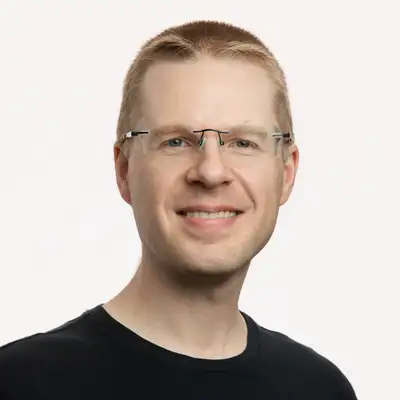
So my name is Andy Grabia, a lifelong Edmontonian, born and raised. I am a freelance communications consultant, but prior to that I've had lots of experience over the last 20, 25 years in communications. I worked in government relations at the University of Alberta. I worked in marketing and communications at the University of Alberta. I used to work for the Honourable Claudette Tardif. I was a speechwriter for her, a Canadian senator. And I'm a lover of the university and also our city and heritage, I guess, in general. I also used to write a fairly successful, for then anyways, hockey blog called *Battle of Alberta* along with my colleague Matt Fenwick. And so was very involved with sort of writing about the Oilers and the arena of course obviously became a hot topic around the time I was writing, which was 2006 to 2008. And so I was one of the people who was opposed to that arena at the time. And so yeah, I have lots of memories and thoughts about that process. So I think that's why I'm here, right?
Mack:
That's right. Yeah, no, it's a perfect opportunity to just sort of reflect. I mean, you can't look at what happened during the arena debate and not come across things that you wrote or interviews you did or advocacy that you were doing. So yeah, you were very involved.
Andy:
Thank you.
Mack:
And you're very involved in some other advocacy at the moment. And so I want to start there. And so this is with the memorial organ in Convocation Hall at the University of Alberta. So this Casavant organ was installed in 1978. It's dedicated as a memorial to people in the university community who lost their lives in the First and Second World Wars. And I understand it's on the move or gonna be on the move. And you're part of a group called Unite for the Pipes that is opposing this move. So maybe you could give us just an overview of why you folks came together and who's involved.
Andy:
Okay, perfect. So first of all, I'll just state first off that this is the second version of the organ. So this organ, the Casavant that's in there now, was put in 1978, but the original organ dates back to 1925. So during the First World War, the university was very active in all kinds of service-related things. President Henry Marshall Tory was very committed to his students and faculty being involved in the war effort. So 484 students and staff went to fight in the First World War, and 82 of them unfortunately lost their lives overseas. The university community was very small by then. At that point, you know, a couple hundred members, you know, because the war started only about six years after the university opened. So they knew these people closely, you know, it's not like now with this with the school of 50,000 people. They knew each other very well and they lived with each other and you know, possibly related to each other. The community was very, you know, rattled by these things and they wanted to build the memorial. So there was a Senate committee that was set up. They looked at it for quite a few years. They settled on a memorial organ on purpose. They looked at other things like statues and tablets for every single person. There was a chapel idea that was suggested. They chose an organ on purpose because they wanted to remember their colleagues through music. They felt that was a very appropriate way to be able to mourn, to you know, to experience joy and sadness and all the things that music provides us. So most of that money came from the Alumni Association at the time. And in 1925, the organ was installed. Fast forward to the Second World War, unfortunately, another—actually, over 2,000—students went over this time to fight in the Second World War; 156 lost their lives. So at the end of that war, the memorial organ is dedicated once again. Over that time, from say 1945, well, from 1925 to 1978, you have to remember the university is still very new. We're going through the Depression, we're going through other things. Convocation Hall wasn't heated all of the time, right? So you're dealing with things in winter and stuff. So, anyways, basically there was a lot of damage done to the pipes over the years. So that's why in 1978 they decided to install another one. But it was installed as a war memorial, it was rededicated, and the university even, in fact, submitted a tax receipt to the government of Canada, you know, trying to get a tax benefit off of this by claiming this is in fact a war memorial. Fast forward to earlier this year, the university announces that it's going to be renovating Convocation Hall. So on campus, there is the Arts Building, which is one of the biggest buildings on campus. I think most people, if they saw a picture, at least they would recognize it. Inside of that Arts Building, which was built in 1915, there was a hall called Convocation Hall. It was used for everything. It was, you know, basically it was a hardwood floor, you know, a nice theatre, but it was used for sports, it was used for acting, it was used for music, it was used for exams, it was kind of an all-purpose space. That's where the organ is. It sits on the second floor. And so yeah, so they announced that they were gonna do a renovation of Convocation Hall, which sits inside the Arts Building. They didn't mention anything about the organ. My colleague, Dr. Marnie Giesbrecht, who has played the organ, was a music instructor and professor at the university for 30 years and taught a lot of students how to play it. She kind of found out through the grapevine that the university in fact was trying to remove the organ as well. That led her and some other people to create Unite for the Pipes and generate a lot of public pressure, and that's where I joined.
Mack:
Okay, so that's a really great overview of how we got to today. And then I think there was a kind of an earlier this year disagreement between whether or not it was a war memorial, right? And I think the university now agrees unequivocally it is a war memorial. Like that part has been decided. Is that true?
Andy:
Yes. So, weirdly, at the beginning of this—
Mack:
Which is strange, 'cause what you've just described, it's like it's very obviously a war memorial.
Andy:
It's very obviously a war memorial and they were like, No, it's not. And so what happened, it was my colleagues who actually found the tax receipt of the 1978, you know, claim. And then what happened was the university had its own consultant come in and look at this, not really to examine whether it should stay or not, but where it should be moved. But one of the things that was good about the Summerby-Murray report was that he was like, No, this is a war memorial. It's clearly a war memorial. It's even listed on like Veterans Affairs Canada's National Inventory of Canadian Military Memorials. And the university finally was like, Yes, we now finally do accept those claims, but the Summerby-Murray report said it's still okay for us to move it, so we're going to move it.
Mack:
Were they originally planning to move it or were they just gonna get rid of it?
Andy:
Well, their plan was always to—
Mack:
Who knows, I guess.
Andy:
To—they always committed to finding a new home. The problem is with finding a new home, how do you guarantee once it's found a new home that they're gonna keep it? You know what I mean? Like, once it gets to a third party, unless you have some sort of legally binding contract, it's basically just a handshake. And so that is what has happened. So in August, after several months of not being able to find anybody in the city willing to take it, and in fact some groups being quite horrified by the idea, because they get it, the university has found a home in Picture Butte, Alta., which is about five hours south of Edmonton, at a private church called the Netherlands Reformed Congregation. So what's happened is basically they've done like a transfer between a non-profit and another non-profit. So it's a dollar. They basically sold it for a dollar. And what's going to happen now is it's going to sit in crates for the indeterminate future because there's no facility that can hold this. Like, this thing is a pipe organ. Like, if you haven't been in there, imagine like an organ that you would see in a cathedral in Europe or Montreal. Like it's a it's a big piece of hardware.
Mack:
People might be more familiar maybe with the one in the Winspear, like they've seen something at the Winspear.
Andy:
No, that's exactly what you're talking about. Exactly. In fact, Anna Lapwood, who is a famous organist, she played in April at the Windspear and she played on the Casavant the day before and it's exactly right. So yeah, so it's gonna sit in crates, which of course risks the danger in terms of being moved and terms of like, you know, these are finely tuned machines, you know. And then there's supposed to be a facility built, and then the church itself is saying, Yeah, we'll take care of it and we'll do our best to basically let people have access to it, which is, you know, for us not a satisfying answer.
Mack:
Yeah, I'm gonna come back to the access thing. One of the things that's wild to me is like the U of A said we will pay to have it stored until they're ready to go, but they're responsible for all the installation and everything else. And it's like this thing kinda belongs to the U of A. I feel like they're just offloading a little bit. It seems a bit wild to me that they wouldn't have a more active role in the transition beyond just putting it in storage in crates.
Andy:
Thank you for raising that point. I agree with you. I mean, I you know, I've tried over the last couple of months. You know, I've worked at the university for a long time. I'm familiar with sort of the internal machinations. I'm, you know, familiar with budget cuts and all the things that have cost the university. It's really hard to come to any other conclusion that they just wanted to dump it. And all of this was just about saving as much face as they possibly could and doing as little as they possibly could to get rid of it, you know, at the same time. So it was like, you know, we're gonna try to convince the public that we've done our due diligence. We're gonna try to convince them that, you know, no, it'll really be taken care of and so on.
Mack:
So there's kind of three things, right? There's an instrument, there's a memorial, and then there's the location. So which of those are you trying to save? Or which one or is it all three?
Andy:
Well, you know, as much as I love the instrument and I think the instrument is important, and I think there is a home for it. You know, one of the things that's part of this is there is no longer an organ program at the university, so that's part of their justification too. Well, to me, that doesn't mean there couldn't be one in the future. It doesn't mean it couldn't be made available to many other Edmontonians who might want to play and learn the organ, but it's the memorial and its location. I'll back up a little bit here. The other thing is that the organ had tablets that were made with it, so an honour roll. So there does exist just outside the hall these plaques that list the names of the fallen. The university has pledged to keep those, as if that is enough, is just the names. But if any of us who know the history of this know it's the organ that was important, that was what was decided upon. That was what they wanted to keep. You can't separate the two, as far as I'm concerned. So for me, yes. It's about saving the organ and it's about keeping it where it was meant to be played and meant to be heard, which is for those of us who are graduates of that university. It's for us to remember that there were people before us who fought for our school, who fought for our province and fought for our country. You cannot separate the location from those soldiers, especially because many of them, Mack, don't even have tombstones, you know. Lots of them either they have them and they're in Europe, or they don't have any at all. And so this is kind of the place where you can come in and look at their names and still sort of honour and remember them. So for me, it's the organ and its location. Like it needs to stay in Convocation Hall where it was intended to be, at the University of Alberta.
Mack:
Like at the University of Alberta. Like, it's really for that community, right?
Andy:
You know, and you know, as a heritage advocate, this is something that we deal with all the time, which is, you know, well we'll tear this thing down, but we'll put a piece of it here somewhere. Or, you know, the facade is there or whatever like that, right? So I myself wouldn't even have been satisfied if they'd found a place here. The only place to me that probably would have been acceptable to me would have been something like a veterans museum, right? So it's, you know, something like that. I would have for me it still probably would have upset me, but I would have been like, Okay, it's among other veterans, it's, you know, a little bit of a home. This to me is not satisfactory, you know.
Mack:
You have a bit of a personal connection too, right? To the First and Second World Wars. Like you had family who served and
Andy:
Yeah, I had family. So like my grandfather's uncle died on the first day at Vimy Ridge. You know, my grandfather was in the Navy, thankfully didn't have to serve. But and then yeah, like for me the connection with those soldiers came with like when I worked at the university, I wrote a story back in 2017 for part of, you know, Canada 150. I wrote a little bit of a story about them and so I dug in, you know, and put together a spreadsheet that found all their names and where they were buried and, you know, some of the stories and some you know I think we all have a firm understanding that war in particular was horrible. You know, you have men stuck in trenches, you know, and there are so many of those stories where, you know, and I just don't want them to be forgotten, you know. Like, in fact, that to me, this is a failure of opportunity on the university's part. I mean, we have a history program at the University of Alberta. We have an education program where we have, you know, teachers who are gonna go out and teach our students. Why are they not being provided access to it? You know, like to me it's an opportunity to go: actually, we're gonna go the whole other way here. We're gonna try to work with the government of Canada, maybe some veterans groups, and we're gonna make this more accessible to people so that they have an understanding of these stories. I think it's a missed opportunity to not be celebrating what these soldiers sacrificed for our country, and you know, helping the university fulfill its academic mission.
Mack:
Yeah, I agree with you. It does seem like a missed opportunity. I think your group has been asking the province to do something, right? What would you like to see them do, or how should they intervene?
Andy:
Yeah, so it's a very interesting thing 'cause a lot of people I think would think, this would be up to the city of Edmonton. The university is in Edmonton and I know the city designates buildings. Well, the city can't designate anything. The Post-secondary Learning Act prevents the city from doing a lot of things with the university, because of its special nature as a public institution, right? The university gets exemptions, which on paper sounds good, right? It's you know, the idea there was like let the university do the stuff it needs to do to fulfill its academic mission without too much interference, right? You know, it's related to academic freedom and all of the things that we value and say, yeah, great. At the same time, when these buildings get to be 50, 100 years old and the university just sort of says, no, they don't matter anymore. Well, they have become part of the city, you know, and they're valuable to us. Anyways, so the city's not allowed to designate these things. That authority lies with the government of Alberta. The Historical Resources Act provides the minister, I think it's now the Minister of Tourism and Sport, who's Andrew Boitchenko. It provides him the opportunity to just basically say, well, two things. One, stop it, halt immediately. We can do a report, we can look at this or whatever, and then secondly to say actually, this is a historic resource. It's of historical and cultural importance to the province of Alberta. Stop it. You're not moving it. You know, so this isn't a thing of, you know, overstepping grounds. This isn't bike lanes or other things where someone might go, ooh, like why is the government meddling in this? This is actually specifically their authority. Yeah.
Mack:
Yeah. Has your group talked with the minister? Like is there any discussion?
Andy:
Yes. So, over the summer we contacted the premier's office, we contacted the minister's office, we contacted Myles McDougall, who's the Minister of Advanced Education, we sent letters and backgrounders to them asking to have meetings. We finally did receive a letter back from Minister Boitchenko on behalf of the Premier, and it was basically we're just gonna let the university decide. Which to me is a dereliction of duty. It's actually his responsibility to decide.
Mack:
What's the nature of the conversation with the university? Obviously you folks are closely connected. You must be in conversation with folks there.
Andy:
Well yes, so lots of meetings with the university from not just ourselves but from other concerned stakeholders who have had meetings with the university. The university's stance in this has always been that it's a question of accessibility. So their argument is: well, we're renovating Convocation Hall, and as part of that, we have to have updated building code. And so the organ creates accessibility issues in the hall. The problem with that is it doesn't hold up under any scrutiny. As I mentioned, it's on the second floor. There is an entire first floor where people with canes, wheelchairs, walkers and other issues—they could build seating for that. You know, they could build around it on the second floor. It's just a complete lack of imagination. And secondly, they don't have to follow—like I just said, the university is exempt from a lot of things, and so are heritage buildings. They could ask for an exemption from the province on this. They just don't want to.
Mack:
So is it kind of about money? Is that really what it boils down to? Like it's gonna cost money to do those things, to make it more accessible, to keep it there?
Andy:
I mean, maybe that's what it is. Maybe it would increase the cost of the renovation or something like that. The other things that come to mind are, you know, like, and I've written about this, which is this is not the first time the university has done this. Over the last 10 years, they've been knocking buildings down kind of left, right and centre, right? So a few years ago it was the Ring Houses and then it was Soaring, and they've torn down Alumni House. They just demolished the Administration Building this summer. And then even the renovation of the Dentistry/Pharmacy Centre, that knocked down like two-thirds of the building, you know, and I do think that is cost-saving. The university has a deferred maintenance cost of close to a billion dollars, and what deferred maintenance means is basically bills you haven't paid. And so I do think as a cost-cutting measure, they're trying to get rid of these older buildings that would be more expensive to sort of keep up and knock them down. So you and I look at that organ and go, okay, that's a $3-million organ, that's invaluable, that's worth a lot of money. They look at it and go, that's actually a liability for us, because what if something happens to it, right? They've also been very clear in their statements, you know, last year they did like a plan about the buildings on campus. And for them, anything over 50 years has served its lifespan, which, you know, is a larger heritage thing, but is yeah.
Mack:
Where does the $3-million valuation come from? Like is that based on
Andy:
That's from professionals. The organists have talked to other professionals. They have relationships with Casavant and a lot—you know, so it's Marnie, it's Tammy-Jo Mortensen, it's Haley Simons. These are three of the musicians who started all of this and they have conversations with people. So that's where the valuation has come from.
Mack:
Just back to the accessibility quickly. Like how accessible is it right now? Like, can anyone just go in there and take a look at any time? Obviously not during the construction, but before that?
Andy:
Yeah. Well, not right now, 'cause they've closed it. But, you know, the doors were locked because they wanted to protect the organ, you know, but yes, the Department of Music had lots of things in there. I've been in there not hundreds, but lots of times. It was open. They had concerts
Mack:
Dozens, yeah, yeah.
Andy:
In there all the time. It was never really a private thing.
Mack:
Where are we at in the timeframe? Like is there a deadline after which it's too late or?
Andy:
Well, we're basically almost in the too late stage, right? 'Cause the university has made that announcement. I assume that there's a contract that's been signed. So it's just sitting there. So we are, you know, our stance is we will fight—you know, for me, anyways, I will fight as long as it's in that building and maybe even more. But I think realistically once it's gone from the building, it's kinda gonna be, you know, it's hard to just put it back, which is a whole other issue. Like these organs are built for the spaces they're in, right? So yeah, it's a very urgent cry right now, because the university has sort of said, nope, we're doing this, we've made up our mind. This is sort of an urgent last cry for the province to sort of intervene and say, hey, actually there's a lot of people who care about this thing. It is a war memorial and we want it to stop.
Mack:
Do you think there's any chance that they'll change course here?
Andy:
I hope so. You know, I've written and I've talked about this. You know, again I bring up this thing of what's coming in front of us. You know, we have the referendum on Oct. 19. We have a premier who stated that she is pro-Canadian and wants to keep Canada in Confederation. The way I look at it is what better way to prove that? Than to, you know, to just sort of say, hey, actually, no, this isn't just, you know, this is important enough that it's a memorial to dead University of Alberta soldiers. But these are soldiers who fought at Vimy Ridge, they fought at Juno Beach, they fought in the Somme, they fought at Ypres. These people helped found and defend our country's very existence, right? And so what better way to honour them than to just be like, no, let's pump the brakes? So I'm hoping beyond hope that happens. I also know that this government has not been afraid when it actually wants to wade into matters. Right? Your words, not mine. I'm trying to get their help. But
Mack:
For sure. Yeah. It's almost like you need to say that we're gonna put a bike lane around there and then they'll step in. Yeah. More with Andy in just a minute. Support for this episode comes from Edmonton Startup Week, which runs Oct. 5 to 9. This highly anticipated annual event brings together founders, innovators, investors, students, and big thinkers to learn, connect, and build momentum. There are lunch and learns, panel discussions, workshops, and plenty of opportunity for socializing and networking. The flagship event is Launch Party, which takes place on Oct. 8. This year, Edmonton Startup Week aligns with Canadian Finals Rodeo, so the team at Edmonton Unlimited is leaning into that with a farm-inspired feel for this year's big event. You can learn more at edmontonstartupweek.com. Now back to my interview with Andy. Some of the names I saw on the website for Unite for the Pipes, you've got Coun. Michael Janz, political commentator Dave Cournoyer, who we recently had on our other show, Taproot Exchange. You've got David Ridley, executive director of the Edmonton Heritage Council. So there's lots of city folks, I think, on there. And so I want to broaden the conversation a little bit. I think I heard you say or read somewhere that this is kind of an example of what's going on more broadly in heritage in Edmonton, right? This sort of loss of not just the built form, but some of the other things that go along with that. And an Edmonton city council recently just passed an updated Heritage Places Strategy. It expands the definition. You know, you and I both served on the Heritage Council. And I feel like our understanding was always that it's not just about the buildings. There's lots of other things. And finally now in 2026, Edmonton's Heritage Places Strategy recognizes that, expanding it beyond built form. Anyway, my question is: What's your sense of heritage in Edmonton right now? Like what's happening?
Andy:
Well, I think we're at a really interesting crux. You know, so I talked already about the you know, obviously the organ and the other buildings on campus. We know that the High Level Bridge and the Low Level Bridge are now up for discussion on whether they should be maintained or not. We have the Connaught Armoury, which the city just sold. There's the Koermann Block, which the city has sold. There's the CIBC Bank downtown, you know. And then of course there was the, you know, a lot of people might not know this, but a bunch of committees were shut down in the spring by the city, including the Edmonton Historical Board. And there's been nothing to replace it other than a promise that, yeah, we'll get to something. So I think there's a lot of stuff going on. And then the RAM, of course, on top of that, there's still the poor Royal Alberta Museum. There's still lots of things going on in this city right now that have me very concerned in terms of what our city might look like in two to three years in terms of these buildings disappearing. And it's troubling because you have a city on the one hand who is working really hard to increase the quality of life for its citizens, make it more appealing to tourism, you know, all of those sorts of things, while at the same time sort of allowing this—or we're not fighting enough. I do think the city is responsible. I think the province is responsible. I think we as citizens are responsible for not fighting enough to defend those things that actually make our city great and actually make people want to come here. You know, I'm an architecture nerd. I like to go to other cities and see new buildings, but I'm also, you know, I think most of us when we go to places, what appeals to us is the old buildings, right? It's the old church. It's the old hall. It's the old temple. It's whatever it is that sort of gives a city a flavour. You know, you're seeing materials like brick and you know, you're seeing designs that you don't see in your city. And so I do think there's a risk here that we're going to sort of decrease our quality of life, you know, not necessarily in economic terms, but just in terms of like beauty, and maybe some tourism. You know, like I have to imagine that—I don't know. Like the High Level Bridge is probably the most iconic structure in the city, right?
Mack:
I've said on this show that there is no world in which we should tear down the High Level Bridge. Like it should not be allowed. Like, there's—you know, what you were talking about earlier with failure of imagination and will almost. I feel like that's a big part of it. You know, the buildings in other cities when we travel, I agree with what you're saying. It's also the stories about those places, right? They help bring like a practicality or a physicality to the stories about how that place became what it is. But I think I agree with you also. I think you've said in other places that just because it's old doesn't mean we should save it. So, you know, the U of A looking at buildings that are 50 years old, maybe, you know, the Koermann Block is pretty tricky because I think it is deteriorating. Like just because it's old maybe doesn't mean we should save it. So do you think we're just kind of too far on one end of the spectrum?
Andy:
Well, I think this is a long conversation because it also gets into what people define as beautiful, right? So I think a lot of people would look at the older buildings like let's say 100 years and go, those are beautiful old buildings. They might look at something from a mid-century perspective and go, Okay, that's kinda cool. Whereas they'll look at brutalist buildings, we have a lot of brutalist buildings in this city
Mack:
We do.
Andy:
And they go, they're gross, they're ugly, I don't care if we don't care.
Mack:
They're ugly. Yep.
Andy:
But they don't know the true story and the true history and what all the stuff behind it means so there's an education process there. There's also the stewardship process, you know, like I think about the Koermann Block and I think about them saying, well it's too far removed. And my answer is, well, how the heck did it get that way? And that's the same way I feel about the High Level Bridge and the Low Level Bridge. City administration is saying, well it's gone too far. And my answer is, well you were in charge of it. How the hell did it get that way in the first place? You know? And so that frustrates me because that's sort of the slumlord move. Right? It's the well, we're just gonna let the building sort of deteriorate and then everybody has to move, you know. And so I do think there is that conversation of like, you know, exactly like don't let it get to that point. That being said, there are buildings in the city that I think once you have a conversation about, you look at their sort of architectural value, you look at their story value, like you said, Mack. What are the stories? Who lived there, who shopped there, who worshiped there, you know. Whatever those sorts of things, what happened there. But that involves a conversation that involves actual listening, talking and collaboration, which I think both the university and the city are not very good at. And that's something I think that they need to be better at. I might get challenged on that by the city or whatever, but that's my perception and I think probably a perception of a lot of Edmontonians.
Mack:
Yeah, I think there's certainly pretty good examples of we're just gonna build a new Royal Alberta Museum. No one even knew what was happening, but it's done and we'll figure it out later. And then there's others, like I feel like the High Level Bridge is that conversation's been going on for quite some time. You know, even the Low Level Bridge—the north and south bridges there, like that conversation is picking up now, but it's several years before something's gonna happen there. So there's a bit more opportunity for input. But I think broadly, maybe I would agree that it is usually more of a here's what we want to do, challenge us on it rather than a sort of collaborative, kind of co-creative approach. You know, you're talking about what people think is beautiful is different, right? Like everyone has a different opinion about that. For me personally, I really love the juxtaposition of old and new. Like I kind of love looking at the CIBC building downtown with the glass skyscraper behind, or, you know, I live on 104 Street and I see a brick warehouse from 1913, and then you've got the arena right behind it, which is, you know, maybe not as beautiful, but it's modern. And so I love that juxtaposition, right? And same with the bridges, right? We've got the historic high-level bridge and then we've got the new Walterdale. And they look very different. They'd obviously come from different eras. And I think that helps us tell the story about how we became the city that we are, right?
Andy:
Yeah. That's one of the things that I love about the university too, that you've got buildings from, you know, something as weird as BioSci, you know, to something like Pembina Hall or Corbett Hall. Yeah, you've got all those things. I agree, I love it too.
Mack:
You know, the Heritage Council, the historical board, which they've disbanded, groups like yours, these all play a role, I think, in helping further the conversation. What else do you think we need to do in this city to, you know, change the way things are going on heritage?
Andy:
Well, I think one is we need candidates to step forward for at both the provincial and the municipal level who are pro-heritage, who are willing to put money into those things, even money into things like preserving our city archives, you know, and there are lots of beautiful assets within our museums that are not being shown to the public, that are not being digitized. You and I know this very well. It's something we've thought about, you know, open data and digitizing sources and all these materials. They belong to us. You know, they belong to us. And so I think that's one. You know, I do think there's learning from other cities on things that we can do. I do think we need to designate more buildings. You know, the way it works, at least in the city right now, is there are two processes. One, it gets put on like an inventory, right? So it's sort of recognized as important. And then the next step is the actual designation where it's like, No, that building can't be touched. It's protected.
Mack:
Now it's protected. Yep.
Andy:
It can be touched, but it has to follow certain rules. We need to be designating more of those, you know, and so I think that's there and I also think that we should be looking at what other cities have done like San Francisco, where actually they're the ones who are buying the buildings and then designating them, you know, but that involves money and it involves effort, and again it involves imagination and it involves buy-in from Edmontonians to sort of say, No, actually this stuff is worth it for us. Let's do that. So that's my big thing. That's where I think we need to go. It's getting just more people interested and more people on council and in the province who are like, no, this stuff actually matters.
Mack:
Well, since you're on Speaking Municipally, we gotta talk about the arena. I can't not ask you about this. There's a bit of this 10-year celebration happening now for Rogers Place. How are you feeling about that? What was your reaction when you saw this happening?
Andy:
Well, honestly, I didn't really see much of it happening because, well, they signed Alex Formenton the same day. It happened at the same time, and that's, you know—
Mack:
Sure. Kind of overshadowed everything. Yeah. Justifiably so, yeah.
Andy:
They signed someone accused of sexual assault at sort of the same time. So I think that kind of drowned everything out. You know, my reflection is one of a little bit of trauma. I'm not gonna lie. It's still very hard for me to sort of, you know, I fought a lot of that. I gave a lot of myself to that. So there's still some exhaustion and some trauma there. And then the rest of it is kind of just a chuckle because this is what happens. It's not unique to Edmonton, you know. Billionaire owners force their cities to build them arenas and then they make up economic impact reports and then ten years later it's like, yeah, see, we fulfilled everything, even if it's not true. And so it didn't terribly surprise me. Yeah.
Mack:
It's shocking to me actually in the 10 years how frequently that conversation happens in other cities. Like I think I'm just more aware of it now, having talked about the arena here in Edmonton for so long. But you're right, like it happens all the time: we need a new arena and there's some sort of a push to get public dollars to it. I think you were
Andy:
Yeah, like I
Mack:
You were more opposed to the deal, right, than the arena itself. Is that fair?
Andy:
I mean, I like old barns. So, you know, there was a thing about Northlands that actually, you know, it's a pretty historic building in terms of what actually happened in there. I think the Oilers won four of their Stanley Cups in there. There's a lot of important games that happened in there. Canada Cups, World Juniors, all of those sorts of things. And it was kind of one of the only ones left standing, right? So at that time it was that and Nassau Coliseum, you know, the Islanders' stadium. They were sort of the last two standing. So at that time, I didn't even like the idea of sort of—well, if you want to move, that's one thing, but knocking it down to me was sort of offensive because there was nothing left, right? There was no Maple Leaf Gardens anymore, there's no Boston Garden, there's no Montreal Forum. You know, it was kind of like, well, let's keep that. But yeah, it was mostly just corporate welfare for a billionaire that really set me off. And just, you know, the sort of the lies about city building and what it would do. I'm rolling my eyes now—like, if I could just keep my eyes in my head. You know, when you hear people talk about like, this will turn Edmonton into the Greenwich Village of Western Canada, or the pedways, we could make our pedways into looking like the Sistine Chapel. Like these are actual quotes from consultants and the former, you know, head of the downtown business association. And you're kind of like, What? You know, you know.
Mack:
Do you grant that the arena accomplished some of what its proponents
Andy:
No.
Mack:
Argued for? No?
Andy:
No, because it can't. It can't. And this is the thing that's so frustrating to me is that anybody, you know, economists don't agree on a lot of things. But if you were to ask any economist whether it's their field or not, whether there are large economic returns on facilities like this, the answer is no. Because you're not bringing in new revenue. You're redistributing revenue. And I think it's something, you know, that I had to learn about, right? Because you just assume, like, yeah, there's new things, you know. But it doesn't recognize human behaviour. People have a budget in their head of what they're going to spend, right? It does not bring in new money and generate economic activity. All it does is transfer it from one place to another. So instead of spending $200 eating at Boston Pizza in the month, you know, in Windermere or Clareview or whatever, they're like, well, let's buy hockey tickets. And so no, it's never going to. You know, it never has. It was never going to be what they said it was going to be. You know, the honest conversation was it will bring us pride. That's the most you can do: Hey, we love the Oilers. It makes us proud, so therefore we're gonna give over half a billion dollars or whatever it adds up to—to a guy who was already a billionaire.
Mack:
Already a billionaire, for sure. And is now asking for additional subsidies for further development.
Andy:
And got those too, yeah.
Mack:
Is that redistribution to downtown potentially desirable though? Like isn't that okay if we would rather have people spending money downtown than in Windermere?
Andy:
Sure, but it doesn't mean it's new money. So you're not growing your economy. So that's the one thing. You have to basically say, no, yeah, we're willing to sacrifice other areas of the city to make this part better. The problem with that is the city still has to pay for those other parts, right? So for example, look at Northlands now. Right? So it's not as simple as, hey, well, just build a new arena over there. And it's like, well, now you actually have more lands that are even more empty that your citizens over there want taken care of, right? And, you know, I think this is actually a good question that you bring up because I think about this with the CRLs and everything else. Like, we have spent billions of dollars. The city by its own, you know, estimation has spent billions of dollars in the last 10, 15 years. I think it was $2 billion to $3 billion, investing money into our downtown core. And yet, if you ask everybody what the biggest issue with our city is right now? What are they gonna tell you? The downtown core, right?
Mack:
Yeah, it's all about downtown. Yeah.
Andy:
So, you know, and I think the other thing here, Mack, is opportunity costs. Right. So it's funny because you know, I went to the meeting last year where the Oilers Entertainment Group was asking for more money for the Public Event Park and all of that. And I had, you know, there were people there who were on that side of it and they were talking about, well, this is a good thing because one of the things that's going to the Oilers Entertainment Group is money for the district, to put up more condos and all of that, right? The Village at ICE District or whatever.
Mack:
Yep. Village at ICE District,
Andy:
Thank you. And what it's so frustrating to me was, and I actually said it in that meeting was like, my God, this is what all of us told you should have been done 15, 12, 10 years ago, which is if you want people to come and you want people to stay downtown, build housing. Right? Like even in its best moment, that arena is what, 100, 135 days a year if you put in games and concerts and all that. So they're there what, five or six hours a day, say, maybe they have dinner before, maybe a drink after, and then they're gone. And then they're not there another 200 days a year. Whereas if the city had used that money to give tax credits like they did with Railtown or something else, how much better shape would our city have been in? And then we wouldn't have needed to have, you know, a billionaire ask for money 'cause he would have wanted to build 'cause there's people there.
Mack:
Or, like, the student housing incentive that has now resulted in a whole bunch of development around MacEwan and NorQuest. Yeah. I probably sound like a broken record, but I keep telling people like stop with all the distractions everywhere else and just focus on housing downtown. If you want downtown to, you know, be sustainable and healthy and vibrant into the future, you need more people living here. So I think your point about opportunity costs is a really good one. And, you know, during the last municipal election, everyone agreed that what we should do to downtown is build more housing. Like that is the primary thing that's going to turn things around. I will say having the arena there has been helpful though, from the point of view that people always say, downtown sucks. No one comes downtown because it's too unsafe. And it's like, yeah, but 20,000 people were just downtown for that concert or for that hockey game. Like people will come if there's something for them to come to. It's not like nobody comes here. And the arena proves that. Like people will come to the arena for an event. Do they stay? Do they spend money like was promised at all the surrounding businesses? That I'm less convinced about, but it is a handy sort of like, no, look, people will come.
Andy:
But how much better would it be, you know, and I think from a sociological perspective, crime goes down when there are more people around, how much better would it be if instead of 20,000 people coming in and out for five or six hours—
Mack:
For a few hours.
Andy:
—if there were 20,000 people who lived down there? You know what I mean? Who were there constantly.
Mack:
All right. Well, we're just about out of time. I wanna come back to the heritage conversation. So what should happen with Rexall Place? Like obviously the conversation has been we're gonna demolish it. We've got a whole bunch more money now from the province than we were supposed to need to demolish this. What's your take on where this should go?
Andy:
I think it's a done deal. Like, it's not even worth—like, for me, do I wish it would stay? Yeah, like I look, you know, it's a different scenario. It's 3 million people versus 1 million, but I look at, you know, the Pacific Coliseum in Vancouver, which literally looks exactly like Rexall Place—they look exactly the same. The PNE has done a ton of stuff lately to sort of like put in new facilities around there, new music venues and to use that space. The problem is we're legally not allowed to. This is one of the mistakes that city council made, which, with, you know, Northlands, you know, as we know, Northlands kept that, it still had that space afterwards and basically had to just let it go. And basically the city ate the debt on it because they somehow they had signed a contract with the Oilers that the facility couldn't be used for other things, which is crazy to me. Like, that's, you know, that could have been used for World Juniors, it could have been used for a women's team, you know, with what just happened. You know, there's lots of other things that could have happened in that space, but I, you know, think it's a done deal because, you know, yeah.
Mack:
And to your point about stewardship, it's probably too late to reverse course, right? I mean, they've done the very, very bare minimum to keep that building, you know, from falling into complete disrepair. But it's not like we could decide tomorrow we're gonna turn it into the home of the new women's team or something.
Andy:
No. Exactly. It would take a lot of money, and probably more money than if they had just maintained it in the first place. 'Cause yeah, I have to imagine that it's just not great inside there.
Mack:
Okay, well, give us your call to action for people who have listened through this conversation on the organ at the U of A, the memorial, and heritage in general in Edmonton.
Andy:
Yeah, so I think on the organ front, I just—you know, if you go to the Unite for the Pipes website, uniteforthepipes.ca, there is a section there that has some information, you know, about who to contact. So, you know, forms to contact both ministers, McDougall and Boitchenko. It would be fantastic if people reached out to them and said that. It would be great if people just learned more about the organ, you know, and what we're trying to do by reading the stuff on the website. You know, we've got a lot of blog posts and we've got lots of other historical information if they can share that stuff on social media with their friends, obviously that would be great, and encourage them to write letters and all that. That would be fantastic.
Mack:
And then what about heritage in Edmonton more broadly? What can people do to maybe help the conversation move in a more positive direction?
Andy:
So I think, you know, the primary thing is when candidates come knocking at your door, ask them where they stand on heritage in the city. Ask them where they stand on libraries. You know, we ask them about all these things—libraries and roads and all of that. Ask about our museums, ask about our heritage structures, what they're going to do, what they believe in. You know, get involved, go to city council. You know, in terms of city council, I hope that they are, you know, that like you said, there's this strategy being built right now. I would very much like to see something replace the historical board. Does it actually have to be city-run? It might not. Maybe there is a group of citizens who can put something together and become a lobbying group on their own. I don't know, but that is a gap. And I think that needs to be sort of filled somehow. But yeah. Just care more. What a horror. You know, when the world's falling apart. I just need you guys to all care more, man. Yeah.
Mack:
Well, I think people listening to this show definitely care about the city, care about these important issues. And I really appreciate you taking the time to come and talk to us more about it.
Andy:
No problem. Thank you very much for having me. Great seeing you again.
Mack:
You too. Okay, there you have it. That was my conversation with Andy Grabia. You can learn more about the campaign to preserve the memorial organ at uniteforthepipes.ca. We'll include that link and some other relevant links, of course, in the show notes for you to dive into if you want to go deeper into this or any of the other heritage-related topics that we talked about. It is such a busy time of year. There's so many events taking place. Life Sciences Week, Edmonton Startup Week, Canadian Finals Rodeo, LitFest. The list goes on and on. You can find all of those events and many, many more in the Taproot Edmonton calendar. If you haven't checked out the calendar in a while, I encourage you to go and do so. It's at edmonton.taproot.events and our team works really hard to try and keep you informed about what's coming up so that you've got time to check those things out before they come and go. So, edmonton.taproot.events. Until next week, I'm Mack.
Andy:
I'm Andy Grabia.
Mack:
And we're...
Both:
Speaking Municipally.
Creators and Guests