Working as a herd
Download MP3Mack Male:
Working as a herd. This week we dive into Edmonton Global's new strategic plan and find out how shareholders are feeling about the organization these days.
Stephanie Swensrude:
Plus we bring you an update on Gibbons, the best little town in the northeast.
Mack:
Hi, I'm Mack.
Stephanie:
I'm Stephanie.
Mack:
And we're...
Both:
Speaking Municipally.
Mack:
Welcome back to Speaking Municipally, episode 367. I promised my daughter I would give her a shout-out on the podcast. So there we are. Yeah.
Stephanie:
Boo, stop. Okay. Never mind. Love that.
Mack:
I know. I'm generally down with the 6-7. I feel like it's maybe past. I had the opportunity the other day to talk to a 12-year-old and she said, "Yeah, it's not cool anymore." So...
Stephanie:
Okay. Well, that's why—that's when we need to start doing it to, like, embarrass the kids, you know what I mean? Make them cringe. Yeah.
Mack:
Yes. Yes. A hundred percent. Yeah.
I was waiting for this episode partly for that—a little shout-out to my kid, but also because it's been a while, it feels like, with
Stephanie:
I know.
Mack:
our summer publishing break and other things. We had some pre-recorded interviews that we brought you. Hopefully you enjoyed all of those. But we're back now into the swing of things. We've got our regular rhythm of publications out every day, every week, and we're getting back out into the world. And last night you and I were
Stephanie:
Mm-hmm.
Mack:
both out in the world. We're recording this on Thursday, August 13. And so Wednesday night we got drenched.
Stephanie:
God, yeah, it was rough. My shoes were like sponges.
Mack:
So this was for the Edmonton Pit Tour, which you
Stephanie:
Yeah.
Mack:
co-hosted.
Stephanie:
Yes, it was great. It was super fun. We did a little tour through Wîhkwêntôwin and hit some of the great pits. I think we got really poured on for a little bit, but then it let up towards the end. And I just—like, it was really fun and silly, which I think municipal politics can often be, but it was also, I hope, educational, so we could learn a bit more about why these pits exist and what can be done about them. We had this panel at the end. Thank you to Eric Slatter from Omada Commercial; Puneeta McBryan, who's now with Alloy Strategies but, of course, is the former CEO of the Downtown Business Association; and Ward O-day'min Councillor Ashley Salvador. Lots of great insights were shared on these pits. And we also were able to do a bit of a historical designation. If you go past on the 102 Avenue bike lane, or you're just walking past the Jameson pit, keep your eyes peeled for that new plaque that we got.
But yeah, it was very fun, and thank you to everyone for coming out and sticking around through the rain. We were surprised that people stuck around, but no, we ain't made of sugar.
Mack:
That's right. So many people could see this large group of people walking around, and they were slowing down in their cars or walking by, and they're like, "What's going on? Like, who are all these awesome people learning about
Stephanie:
Yeah.
Mack:
some important municipal topics?" It was a perfect blend of a bit of humour, a bit of fun, a bit of snark, and some education, like you said. So
We're gonna bring you more from the Wîhkwêntôwin pit tour maybe next week in a bonus episode. We gotta figure that out still. But Stephanie crushed it and we wanna share that with all of you as well.
Stephanie:
Thank you.
Yeah, it was super fun. If you didn't get tickets because they did sell out, you can experience it virtually. Hopefully drier. Yeah.
Mack:
And drier than all of us. Yeah. You had to pay for the privilege of getting soaked. Okay. This episode, we're gonna talk not about pits, though; we're gonna talk about the region and
Stephanie:
Mm-hmm.
Mack:
what's going on in the region. Before we do that, we're gonna read you an ad. And this week it's ours.
Stephanie:
Yeah. This episode is brought to you by Taproot Edmonton's Food Roundup. Published every Tuesday morning, the Food Roundup is an email newsletter that provides you with the latest openings, closings, headlines, and happenings in the world of food across the Edmonton region. It's a great way to find out about new restaurants, what local food entrepreneurs are doing, and fun food-related events you can check out.
If you don't already, subscribe for free to get the food roundup delivered straight to your inbox. And if you're looking to reach the kind of people who read the food roundup, and you should because they're awesome, then get in touch with Mack to discuss sponsorship and advertising opportunities. Learn more at taprootedmonton.ca
Mack:
And my email is mack at taprootedmonton.ca. If you want to get your brand into the Food Roundup, please reach out. We'd love to work with you.
Stephanie:
Mm-hmm.
Mack:
Okay, before we get to our interview this week, which I'm really excited about, I first wanted to get an update from you, Stephanie, on Gibbons. So the last time we talked about Gibbons on the podcast, the town was having financial difficulties. There was discussion about whether or not it would be subsumed into the region, and there was a toilet paper crisis. Like they couldn't afford toilet paper for the arena. It was really bad.
Stephanie:
Yeah.
Mack:
You've been paying attention to this. You've done a lot of reporting about this. What's happened since then? What should our listeners know about where Gibbons is at now?
Stephanie:
Yeah, this was one of those stories that I just could not look away from. Every week there was something new happening. So I'll try to hit all the highlights here. I think we last talked in February or March about this, but in March, Sturgeon County raised some issues with the viability review process because, most of the time, these things are actually relatively common. When I wrote this story, there were four underway, and there were four others completed in 2025. So it happens pretty often, but all of those municipalities had fewer than 500 people, and Gibbons had 3,200, so obviously it was quite a bit bigger. And if the county had absorbed Gibbons, it would have been eligible for some money from the province, but that amount is calculated based on population and caps out at 500 people.
The county would have received $450,000 to, you know, do some administrative stuff. And it could also receive up to $1.5 million to ensure critical infrastructure can continue operating during the transition. But basically, the county was like, that's not going to be enough for a town—or for a soon-to-be hamlet—as large as Gibbons.
Mack:
So that was in March, and this viability review took place over the next several months.
Stephanie:
Yeah, so it was an expedited review process just because of the urgency and the sudden revelation of the financial crisis. When Wabamun dissolved to become part of Parkland County, it was a bit different because, like, TransAlta left the town, which led to a more gradual decline in reserve funds and service quality. Then residents started campaigning for this change, and eventually, of the 272 residents who voted—again, much smaller—
Mack:
Much smaller.
Stephanie:
89% voted to dissolve. So that one was a bit more of a foregone conclusion, in a way. But this one, the Gibbons one, was like, dang, this is a big problem that we gotta get to.
Mack:
All right, so we've expedited or they expedited this viability review. That was going on. They were still facing this financial crisis and it sounds like things were getting even messier.
Stephanie:
Yeah, so this was one of those examples. It was definitely straight out of Parks and Rec. And it was one of those examples where you can tell—and I say this with so much love—that the people on the council in Gibbons are not trained career politicians because of their method of communication. I'll say that much, because they released a letter calling for a more mature approach to regional collaboration as the town looked for ways to solve its financial crisis. So they sent this letter to Sturgeon County Council and thanked the county for the work done so far, but then they said they were no longer pursuing some of the shared services that would have helped them, you know, solve this crisis. It said, "Leadership means recognizing when negotiations are not progressing toward a fair or sustainable outcome. After careful review, it became clear that the current proposals may have led to increased costs for Gibbons residents and potential impacts on our local service levels." So basically they're saying, you're offering us help, but we don't want it. A bold thing to be saying, I think.
Mack:
That was Gibbons Mayor Rick Henderson making those comments to Sturgeon County about increased costs for Gibbons residents. And then in May, they did get increased costs.
Stephanie:
Yeah, so they approved their 2026 operating and capital budgets, which required an 8.2% tax increase. Here in Edmonton, that's, like, kind of normal, but in the smaller municipalities, that's quite large.
Mack:
It's big, yeah.
Stephanie:
It was gonna be bigger, though. To make it smaller, they implemented significant cost reductions. They made cuts to staffing and services. They reported about $1.2 million in salary savings and the elimination of about 14 positions, along with other, you know, reductions to operational spending.
Mack:
So this viability review is going on. They're trying to find ways to cut costs in the interim. And then we got the results of the report in June, right?
Stephanie:
Yes. So it kind of revealed a bit of how they got into this financial crisis. Let's just say there's a lot of things that led to it. Expenses in the Town of Gibbons increased more than twice as fast as its revenue did from 2020 to 2024. In most years, the town did not have money set aside for unexpected costs. In 2024, it didn't generate enough income to cover day-to-day services. So this report came out and said that the town would have to raise taxes by 40% if it remained a town and by 30% if it joined Sturgeon County.
Mack:
Those are astronomical numbers. How did council respond to those?
Stephanie:
They called it garbage, and they said, "I'm 'peed' off," but the actual word. They hated this report, and they said it was fear-mongering and it was all wrong because it didn't take into account—which, to be fair, it did not take into account—the budget we talked about with the 8.2% tax increase and all those cuts. They hadn't approved that budget yet when the review was being done. So, to be fair, it was using outdated information. But, I mean, still, what I said about how it got into this position—that is still true.
Mack:
Yeah, absolutely. Okay, and then I understand the Gibbons Council also started questioning the county's financial position, which is pretty rich, I think, when you're, you know, on the edge of viability to be saying to your larger neighbor, like, what about you guys?
Stephanie:
No, literally, they were like, "I know we're going bankrupt, but, like, how much do you spend, Sturgeon County?" The lip on them, the lip on them. They were asking for more information about the county's financial position. They were asking how much tax revenue is generated by the industrial land in the county, how it's used, what the average tax burden is on a Sturgeon County home versus a Gibbons home, detailed costs of Sturgeon County services, and the salaries for Sturgeon County councillors. So again, it's a bit rich coming from Gibbons.
Mack:
And their big argument, I think, was just that they are in the heartland or they are close to the heartland, but they don't benefit from all of that. The tax revenue from that goes to Sturgeon County, but they still have to, you know, deal with some of the implications of that. And, you know, calling their bigger neighbor into question is one of the tactics maybe to try to dig in on that point a little bit.
Stephanie:
Yeah, exactly. So the viability review report did say outright that Gibbons was considering pursuing annexation of county land that forms part of the heartland. But a key principle of annexation set by the province is that your reasoning behind annexation cannot be a tax initiative. So that was dead in the water.
Mack:
So all this led to Gibbons residents having the opportunity to vote, right, on whether or not they should remain a town or pursue becoming a hamlet within Sturgeon County.
Stephanie:
Yeah. So in the end, residents did vote—drumroll, please—to remain a town. But it wasn't a slam dunk like the Wabamun one was. In Wabamun, 89% voted to dissolve. In Gibbons, 68.5% voted in a plebiscite to keep the municipality as a town. There were 937 valid ballots cast, representing only 49% of the electorate. So half the town didn't even vote, which is crazy.
Mack:
So of the half that did vote, almost three-quarters—a little over two-thirds—said, "We want to remain a town."
Stephanie:
Yeah. Yeah.
Mack:
So what's next then? Because they remain a town for now, I guess, but the financial problem hasn't gone away.
Stephanie:
So municipalities that undergo a viability review are required to follow several directives from the Ministry of Municipal Affairs. They basically have to address all the items on the legislative compliance check that I mentioned and develop a long-term financial recovery plan. There were a couple of other little changes in there that they recommend. And to be fair, again, Gibbons is definitely already working on a lot of this. But, you know, this is a slow process that you can't really get through fully in a few months.
Mack:
So we wanted to bring you this update, partly because Stephanie's done some great reporting over the last several months on this, and we'll link to all of the stories in the show notes so you can go and read some of those if you like, but also because, in this interview, you're gonna hear a lot of talk about regional collaboration and how municipalities aren't really competing with one another. We're competing with international destinations. And yet we have an example here of two municipalities—one of which is still a member of Edmonton Global, that being Gibbons, and one of which is not, Sturgeon County—kind of competing in some ways for, you know, the tax revenue that comes from some of these big projects that end up in the industrial heartland, for instance. That also calls into question a little bit this idea that all of the mayors in the region actually do get along and want to participate with one another, because there was that snark back and forth that you talked about between the two. But also, this ended up costing Sturgeon County something, not just time, right?
Stephanie:
Yeah, because they had to prepare all these—they called them provincial workbooks—about their own financial status and what it would be if they had to absorb Gibbons. And, you know, every municipality is saying they're so strapped for cash they can't handle this. It was a completely unplanned expense for Sturgeon County. So Sturgeon County Mayor Alanna Hnatiw was talking about how, like, maybe this whole process should be reevaluated.
Mack:
Well, they did wish Gibbons success and said they remain committed to maintaining a productive and respectful relationship with the town. So that's the official line. We'll see how that plays out.
Stephanie:
It's like when you're dating someone and you need to break up with them and you just go, I wish you the best. I think you're a great person. Yeah.
Mack:
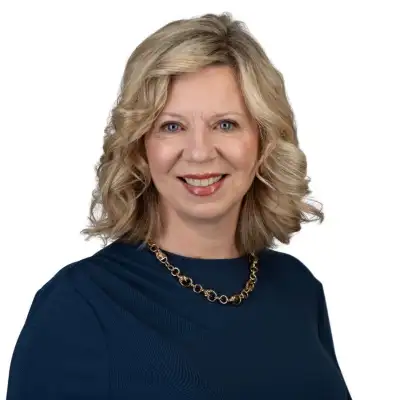
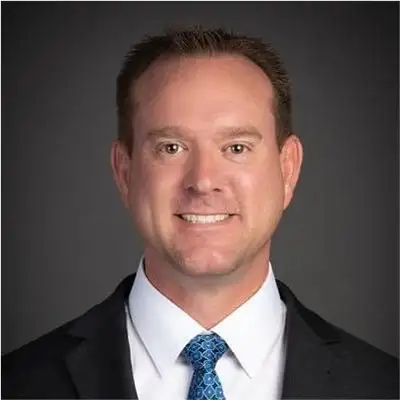
A little bit, a little bit. Okay, with all that in mind, you know, keep some of those ideas in mind as we get into our interview. So this week we're very excited to talk to Daryn Edgar, who's the new CEO of Edmonton Global—she took over in October 2025—and Mayor Jeff Acker of Spruce Grove, who's been a longtime member and a former vice-chair of the Edmonton Global Shareholders Group. So here is my conversation with Daryn and Jeff about Edmonton Global, what the organization looks like today and where it's all going.
Mack:
Daryn, Mayor Acker, welcome to Speaking Municipally.
Jeff:
Thank you for having us.
Daryn:
Hi, thank you very much.
Mack:
All right, Daryn, let's start with you. We're coming up on your first anniversary as the CEO of Edmonton Global. I think it's been about 10 months since you took over the role. How has it been? How are the first 10 months feeling? How is that anniversary feeling to you?
Daryn:
It's been a fast 10 months. Really, when I look back upon sort of what I thought I was getting into at the beginning, what it became, and where things have gone, there have been so many surprises and exciting things that have happened along the way that I really couldn't have anticipated how some things would have gone. But it's been a great, great 10 months.
Mack:
I want to ask you more about the surprises, but first I'd like to welcome Jeff, mayor of the City of Spruce Grove. You are also on the shareholder group for Edmonton Global. You've been the vice-chair of that group in the past. Tell us a little bit about what the shareholder group is and your role with Edmonton Global.
Jeff:
Well, thank you so much for having us. And as a shareholder, our job is to bring the perspective of municipalities, because this organization was created through the, you know, Capital Region Board back in the day, and the EMRB later, to fundamentally find ways to reach out to foreign direct investment that we couldn't really reach on our own through our economic development groups. So our role is at the governance level, setting those, you know, strategic kind of guideposts for Daryn and her team and the board, and then ensuring there's accountability and reporting back. You know, one of the things we've been talking about for probably the last five years is that ROI. Fundamentally, we all understand economic development is not today's solution. It's a long-term commitment, and you gotta do a whole bunch of legwork to get to the point where we're currently at. And I think, you know, just some of the recent announcements are showcasing the wise investment that this region put into Edmonton Global. So our job is to oversee, to provide direction, provide that, you know, perspective from the municipal lens, and to really try and, you know, keep the entire region growing and moving forward.
Mack:
I've got several questions about deals and ROI, so I'm gonna come back to that. But I think the question a lot of people are wondering about right now is: are the shareholders happy? Edmonton Global is down to nine from the original, I think it was, 13 municipalities. And Leduc County has also said it might be planning to leave, so it could go to eight. We've been reporting on Gibbons, which looks like it will remain a town but might not have been a municipality here. So, from the shareholder perspective, Mayor Acker, are the shareholders, the municipalities, are they happy with where things are at for Edmonton Global?
Jeff:
I think we're relieved. It's been a heavy-lifting time, probably since 2023. That's when we saw the economy take a downturn and municipalities, with finite funding, looking at where they needed to put that funding in place. But I think we're in a good place. I think bringing Daryn on board, the changes we've made organizationally, and refocusing our intentions and the organization on what we're actually hunting for—those who are still at the table are, I think, relieved and happy to be there. Still, I would say the entire region fundamentally believes in regionalism. I think they are individual decisions based on municipal priorities and funding. But yeah, I think we are in a good place right now, a really good place.
Mack:
When you say relieved, that kind of implies relief from something. What is the relief about, do you think, for the remaining municipalities?
Jeff:
Well, it was a lot of distraction over the last two years. And Daryn kind of came into that when she came on board. It was just trying to figure out where we're going. And there were different perspectives on Edmonton Global, different perspectives on what our target sectors should be. It was a lot of heavy lifting, a lot of work not only for the shareholders but also for the board and the organization. So the relief is just I think we've gotten past that. We have identified some huge opportunities. We've streamlined the organization. We have way better accountability in reporting that I think as a shareholder, you know, we have good information now to share with our councils, our communities, and that we have a plan for the future.
Mack:
What's your take, Daryn? You took on the job knowing that, you know, five municipalities had voted to leave and there were, I think it's fair to say, some rocky relations between the organization and the shareholders. You kind of walked into that, taking on this new role. What's your assessment of where things were in October 2025 and where they are today?
Daryn:
Where you began this question was sort of: are they happy? And I'd align with a lot of Mayor Acker's comments. But where I began in October was that there's lots of different kinds of happy, and there's lots of different kinds of unhappy for each shareholder. What is the happy and the unhappy? And I gotta say, I did come into a situation where there was this veil of unhappiness, and it was really opaque. And so I kind of began from: people are just people. I'm gonna go talk to people. I spoke with every mayor individually, every CAO individually, and also, you know, key people in other roles. They were not negative towards me. Every person was constructive. They were forthcoming about the details and attributes for their specific region and what ROI meant to them. It's not the same for every region; it's different. Because every region has different assets, different credentials, and different economic positions, that activity at the beginning really shaped my personal thinking, but also our direction as an organization going forward. And my sense was that the people I was speaking with appreciated the attention to their specific needs. But then, as we've moved on to refreshing shareholder engagement, we're doing it specifically, shareholder by shareholder, with a common approach. Each shareholder gets their own conversation now, rather than treating everybody as a bundle. I think that honours the information they shared with us in the listening tour that happened in 2025, as well as the refresh that we undertook after I started. But it also lets them get their assets out in front. It lets them get their assets on the table so that we can at least attempt to do something with them, try and find a home and a bit of a route to market for them. The regional approach is great. And that regionalism, you know, we're all bought into. I do believe the shareholders are bought into it, and as an organization, we're bought into it. But the mechanics of making that work go to market is really where Edmonton Global wants to work harder at getting the mechanics specifically paid attention to. And that's quite a diligent journey we're going on: trying to work out what each of the shareholders has that's shovel-ready, go-to-market-ready, or a twinkle in their eye—not ready at all, but let's try to get some awareness of it and understand what it is, because if we have an awareness of it, we can do something about it. So regionalism is great, but I do think we need to get a better understanding of the individual regions in the region. So that proposition has some hope of getting close to what a shareholder is thinking of for their particular ROI. So, are the shareholders happy? Just tying into a comment that Mayor Acker made, I think my interpretation was that the veil of unhappiness happened because people couldn't exactly see a way forward, couldn't exactly see some steps that they could undertake. We're trying to create some steps that we can all sign up to. And if we're collaborating, then I think we're happy. Edmonton Global is happy. I think the shareholders will be happier if they feel like they've got some steps forward. Ultimately, people always feel a little bit better when you're moving with the traffic.
Mack:
For sure. Yeah. Mayor, I wanna come back to you. Give us a tangible example. What has changed for shareholders? What's different about your interactions today versus a couple of years ago? And, you know, a lot of that, I think it's fair to say, maybe changed as a result of the shareholder listening tour or process that was undertaken. So give us some insight into the shift that's happened from a shareholder's point of view.
Jeff:
Sure. So I think, in the early days, we set up some key sectors we wanted to target, and then it became very rigid. The organization and the board of directors kind of focused on that direction. But meanwhile, we were getting pressure from our communities, our residents, and the EDOs in our communities, saying this isn't matching the priorities council has asked us to address, or what we want to attract isn't on the list for Edmonton Global. So we had a disconnect there, and other communities had the same kind of disconnect. It was a frustrating situation where the shareholders would bring this forward, but then it just seemed to fall on deaf ears, and nothing really changed. Those key sectors were still being targeted, usually focused on one or two areas of our region, and the rest were feeling like, okay, where's the benefit? What I think has changed now is Daryn has brought in a whole new perspective on how to do business. And I really believe in consulting with each of our municipalities, because we're all a little different. We all have our own priorities and targets for what we want to build in our communities, whether it's light industrial, heavy industrial, or tech. So we really want to be able to funnel that back to Edmonton Global, so when they're out, you know, at foreign direct investment conferences, attracting and trying to build that funnel up, some of what we're looking for is part of that entire solution. And I think we're seeing that. I think there's a growing confidence among my colleagues across the region that the message has been heard. And then we can come back to our councils and our communities to say, this is why. This is why the investment is smart. Because fundamentally, I think everyone in our region understands the world is more complex. I'm not competing against Stony Plain or Edmonton or St. Albert. We're competing against Denver. We're competing against international locations. And we were having no success trying to do one-offs, with municipalities sending off to a convention to try and attract investment, because we just weren't even on anybody's map. So we've now established, I think, a reputation. We're starting to establish that brand. Fundamentally, we've got to get them to our region. Once they're in our region, then the municipalities have that great opportunity to compete for that business. So, the important part of Edmonton Global is getting them into the region. It's vital to have those opportunities that can now be maximized by our EDO groups. We can sell our land, our opportunities, and the quality of life in our communities. So it's changing that way of thinking. And, you know, I think even through the history of Edmonton Global, sometimes it wasn't always understood by the shareholders themselves how this plays in with local economic development. It's not a replacement; it's a bunch of tools. It's a whole new opportunity for us to market and sell the assets we have in our community. So I think we're getting there. I think that understanding is resonating with councils and municipalities. And, you know, I think the targeted approach will really see that local influence now being shared through Edmonton Global.
Mack:
I wanna ask more about return on investment and kind of what you were talking about there, Mayor, about how you explain this to taxpayers. But I think maybe a way to come into this is through some deals. So, for example, the big Meta data centre that is now coming to Sturgeon County. Correct me if I'm wrong, but I didn't see Edmonton Global in any of the announcements. It didn't seem like Edmonton Global was instrumental in bringing that deal to the region. It seems like that is exactly the kind of deal Edmonton Global should bring to the region. Maybe, Daryn, we can start with you. When a deal like that happens, how much of that is because of Edmonton Global? Whether or not, you know, you're specifically at the announcement, what Mayor Acker is talking about is the broader messaging. People know the region as a thing. They don't know, you know, the individual municipalities.
Daryn:
What often isn't known in the public domain is the confidentiality agreements that are signed along the way and the preferences of the dealmakers. So that particular deal was sourced in a particular manner that then dictated its path. At the time that path was being pursued, Sturgeon County was a member of Edmonton Global, so certainly there was a level of contact and interaction. However, the path of that deal took the path that it did, and upon closing, no, Edmonton Global was not part of it. But that was related to the sourcing of the opportunity and the path that it took. And there are gonna be—
Mack:
The provincial focus on data centres—is that what set—I mean, maybe that's not a great example of a deal, because that is a big focus for the province. I'm sure they cleared the path.
Daryn:
Yeah. Absolutely. Provincial and federal relationships were involved with that opportunity. And as Sturgeon has been quite transparent about sharing with the market, there were some attributes they had to work pretty hard on to make that deal successful. They very much worked with partners to make that possible. But, you know, on a personal level, we were very supportive of that deal as it progressed for quite a period of time. That one took quite a long time to close. So certainly, in that journey, you know, we're pretty comfortable with the way the announcement happened and the direction it went, and we congratulate Sturgeon. I mean, the work that was done there was great. And since it's been signed, they've been very forthcoming in sharing the background and details that, you know, had been covered by different confidentiality agreements along the way. So it's great to see that type of thing. Now, that deal was foreign direct investment from the U.S. to Canada, but there are going to be impacts that have the potential to fall into our orbit, mainly in the trade area. And that's one of the things Edmonton Global is looking at doing, which I think will be of particular interest to our shareholders: how do you use foreign direct investment to build businesses in the region? And how do you take the inbound investor and deploy that in a way that builds the trade clusters and industry organizations in our various regions? It's worth mentioning that, you know, a lot has changed with Edmonton Global in the last few months. However, this transition we're going through is very normal. What got you to here as a startup doesn't get you to there as a growth company, and lots of companies go through that journey. So there was a lot of great success that Edmonton Global achieved in its original incarnation. And we shouldn't discount that just because it was time to change. The leaders, board members, and municipalities that contributed to the formation of Edmonton Global really got it on the table and got it going, and they deserve all the credit for that. Certainly the Sturgeon deal fell into that framework. The deal would not have been possible without some of the content that regional strategy contributed to the story Sturgeon was able to tell.
Mack:
I mean, I think about deals like that or, you know, some new petrochemical project in the heartland. And it always comes back to me that none of those would be appealing to investors if they weren't adjacent to the city of Edmonton, to 1.3 million people, to Amii, to the University of Alberta, and to all the incredible assets the city of Edmonton brings. I think there's a reason it's called Edmonton Global. And I think that underscores what you were talking about, Mayor, about, like, bring them to the region and then figure out the right place for them to go. Before we move off deals, tell me about Teledyne, Daryn. That was another recent investment, and I think they specifically acknowledged and thanked Edmonton Global, right?
Daryn:
The reason they specifically acknowledged Edmonton Global was the length of time—that deal took circa 48 months to close. So, you know, anybody who's in a sales organization is always looking at their length of time to close. At Edmonton Global, and in the FDI space, the length of time to close is significant. It's even longer than what large enterprise companies go through, because the investment cycles, certainly with respect to infrastructure projects, are very long. They're long business cases. It does take them a long time to find the needle in the haystack of the site they want. So, you know, Teledyne took 48 months. We've got it sitting in our pipeline. And in those 48 months, a lot of our partners in the region participated. They would have done several inbound missions as well as countless phone calls and all of our partners supported that along the way.
Mack:
So, Mayor, back to your comment about return on investment: how are you explaining it to your constituents, to taxpayers in Spruce Grove? You see these big deals coming to parts of the region, maybe not directly benefiting Spruce Grove, but they do benefit Spruce Grove in the long run. How do you convey that message?
Jeff:
Well, a hundred percent. And my common tactic is just sharing that success breeds success. So it's tough, because I know some of my colleagues wanna see, you know, those deals in their jurisdiction. They wanna know, "What tax assessment did I gain from this deal?" But fundamentally, economic development is a wider space, and we need to look at it on the macro level: the Edmonton region needs to be growing. And as long as we're continuing to grow, invest, and attract, I think we're all gonna benefit. And fundamental to that whole scheme of things is a healthy Edmonton. Edmonton needs to be prosperous, growing, and vibrant. And that's where all our outstanding post-secondaries are. We have a tremendous post-secondary contingent in Edmonton, with, I think, 120,000 students. So, a highly intelligent, young, vibrant workforce. You know, this is the essence of what we're trying to market internationally. And the cost of living is still good. Fundamentally, on the municipal side, we're selling quality of life. So that's why it's all a little different. And I think when you look at the Edmonton region, we have incredible rural and industrial parks. We have vibrant mid-sized cities and a large Edmonton. So we have somewhere for everybody. And if we can, you know, get people just to our doorstep, I'm very confident that we can make those deals. So what I tell my residents is, you know, for the cost, in Spruce Grove's case, of one really strong employee, we are getting the benefits of an entire region, experts, and an incredible board of directors that are marketing this region in a way that we never could. So it's a no-brainer in Spruce Grove's case for that return on investment. The kind of costs we're paying in the mid-sized cities, based on assessment and population, are like a publication. It's like doing a brochure drop. And the value is just incredible. So I keep just talking about the benefits and that we have to invest in the long term. You're going to see an announcement in Spruce Grove next year or a year after, but all of these announcements build up for making our region attractive to all. And it keeps our kids and you know, it keeps them staying in this region for opportunities. So we need to have a healthy region. And that foreign direct investment is key to all that success.
Mack:
Shareholders must be paying a larger contribution now as a result of the departures, is that right?
Daryn:
The 2026 contributions have stayed pretty steady, and we don't really set up the subsequent years' contributions until the later part of the year, so it hasn't varied widely as yet.
Mack:
Okay. Where is Leduc County at in the process? Are they still leaving? Are you still trying to keep them in?
Daryn:
All of the above. They have signalled their departure. And I wouldn't actually phrase it as trying to keep them in. That's not really the energy behind what we're doing. The energy behind what we're doing with all shareholders is trying to understand their objectives and trying to meet those objectives with them as much as we can, given our mandate and structure. We're doing that with Leduc County, but we're also doing it with Edmonton, Spruce Grove, and St. Albert, because it behooves us to do that for all of our shareholders. And the value of the whole has to be greater than the sum of the parts. That's the true spirit of regionalism: create the collaborative relationship so that we will get as close as we can to your individual objectives in the context of collaborating as a group going to market. So we have conversations with people in various roles inside each municipality every week, and they are positive conversations. And so, you know, we're moving constructively with everybody, including a shareholder that may have signalled its departure.
Mack:
I mean, if that departure does happen, you're down to eight. Let's say, you know, Gibbons does get consumed by the county; you're down to seven. Is there a point at which Edmonton Global is no longer feasible? Is there a point at which it just needs to become Edmonton? Is that a possibility?
Daryn:
Yeah, I mean, there's sort of the financial version of that and then the operational version. The point at which we wouldn't be feasible is the point at which the City of Edmonton no longer wanted to be involved. That would be the point at which we wouldn't be feasible anymore, because it does say Edmonton in Edmonton Global. So if they no longer wanted to, then yeah, we would no longer be feasible. Up until that point, we're pretty much feasible. Where we need to get to, though, is a better level of matchmaking between what we have and what our target markets want. And that's where I think we're going to meet everybody's shared objectives. So, get a better understanding of our products at a really granular subsector and segment level, and do better matchmaking between those and our routes to market. So our go-to-market plans are going to be a lot more specific in terms of how we're actually going to market and which municipalities—which shareholders—uniquely play to those. So that's really the direction of travel: to get these things out to market in a way that shows their strengths.
Mack:
So I understand that. I think that makes sense, to find those strengths from the different members around the region. But presumably, you can't go to market talking about the 25 sectors that our collective municipalities have a strength in. The new strategy and the new business plan talk about priority sectors. What are those priority sectors now for Edmonton Global?
Daryn:
So we'll continue to go to market as a brand, which is Edmonton Global. That's the top level of our go-to-market strategy. People have to love the idea of coming to the Edmonton region and building a life here, as well as see the opportunity to grow a business here. And the message needs to be: you can grow your business faster here or bigger here than you could in some other competing region in the world. So that has to be the top story, the top headline story of how we're going to market. And then we start to get into the generic propositions that relate to that, whether it's talent, capital, trade, and those sorts of things—affordability.
Mack:
Affordability. Yeah.
Daryn:
Those are the things that kind of underpin the brand story. And we work really closely with all the municipalities around any brand work they're doing. But obviously, the dominant partner there is going to be the City of Edmonton. Getting into the clusters, what you see hanging off our website in terms of the five sectors pretty much will remain. The detailed work we're doing now is looking underneath those sectors: in which segments do we have a level of differentiation, where our products, sites, or groupings of industries are stronger than those in other, let's say, Canadian cities, or other similar American or foreign cities? Those are the products where we're going to get recognized a little bit better. So that's the lens we're looking through: what are the core industries that have growth rates that are differentiated here? It's engineering and construction, land-based industrial development, and energy- and renewable-related industries. And then there's a big grab bag of other ones that are core but have similar growth rates. Then we have a list of emerging sectors where the growth rates exceed the core industries, but nominally, they're nowhere near as big. And so we're going to make a portfolio of the core ones and a couple of bets on the ones that have high growth rates but are not nominally anywhere near as big as the core ones. And that's how we'll get the traditional measures: jobs and tax base, which are what every economic development organization in the world measures.
Mack:
Yeah.
Daryn:
Historically we've stayed very close to capital expenditures as a key measure for our projects. That's still really important, but we're also taking a look at building an aftercare model. For the large accounts we've brought to the region, how do we continue to work with them, build more with them on an ongoing basis, and bring more from people who are already committed to the Edmonton region?
Mack:
Like a Polykar expansion or, you know, something like that. What are some of—
Daryn:
Yeah. Correct. That type of thing.
Mack:
What are some of those bets that you talked about? Can you give us some examples?
Daryn:
So here's a really good example. We are continuing to invest in the hydrogen space. This year, we participated in sponsoring the hydrogen conference in Edmonton because we believe it's a really important combination of factors for our brand as a region. There's definitely a view on the hydrogen industry that would cause you to ask whether that's a place where we could—or should—continue to invest. We believe we will tailor our level of investment to suit the change that, you know, you can observe in that space. But the combination of infrastructure, energy, the talent related to it, and our relationships with large organizations that continue to assess that space means that we'll continue to support it. Because it does bring quite a lot of brand value to the region. It brings a lot of accounts to the region that continue to want to come to that conference and then it builds visibility for our other events and our other pursuits that are happening for the region as well.
Mack:
So, Mayor, thinking about Spruce Grove, what are the assets that you bring to the table, and how do you see them fitting into these, you know, big five sectors and then these bets that Daryn is talking about? How do you connect your Spruce Grove story to that Edmonton Global strategy?
Jeff:
Yeah, so, like any good mid-sized city, we have a nice section of land that is prime for some redevelopment for light industrial. So that's always gonna be a focus. The city has to do a little bit of work servicing that land to make it, you know, market-ready for Daryn and her team to start shopping around. But fundamentally, Spruce Grove brings an incredible workforce that is supportive of all this. A ton of our residents commute out to Acheson and work in that business park. So we are one of the fastest—I think we're the fastest-growing municipality outside of Edmonton in terms of homebuilding—because people choose the quality of life in Spruce Grove. But, as we know, people have no problem commuting to Fort Saskatchewan, the heartland, the City of Edmonton, or downtown for employment. So, you know, the value proposition for Spruce Grove is that we are an incredible community to raise your family and enjoy the quality of life we provide. And we are in a vibrant enough region that the employment opportunities are endless. You can be white-collar in downtown Edmonton, you could be out at one of the industrial parks, or you could be starting a small business of your own. So, you know, the value proposition for Spruce Grove is being part of this thriving region and being part of Edmonton Global's foreign-investment exhibitions and trips overseas. I think there are just great opportunities to showcase what we have as a region. And Spruce Grove will see the benefit from that. I think we already do. You can just tell by our housing development.
Mack:
Yeah. Just back to the sectors. Maybe this is not what you're saying, Mayor, but what I'm hearing is that it doesn't matter if it's hydrogen or dual-use defence or agriculture or any of that. Any of that investment is good for Spruce Grove. Is that fair?
Jeff:
Hundred percent. Yeah, growth in Parkland County and Acheson is a benefit to Spruce Grove. Growth in the industrial heartland that brings some giant national or international organization—the add-ons to that are, you know, organizations that are going to support that company. So we'll see a lot of those come and establish a smaller presence here in Spruce Grove. That benefits our tax base. But beyond all that, it's employment opportunities. It's ensuring that our kids don't have to flee this area, this region, or this country for employment, and ensuring that we have a wide range—you know, ag services, food production, food upgrading. That's really big in our neck of the woods west of Edmonton. Any of those usually has a huge logistics requirement to get things either down by rail or by truck. We have a lot of those organizations that show up in Spruce Grove. So, you know, the opportunities are just endless. And I think any investment, regardless of whether it's in Beaumont or St. Albert or Leduc, benefits the City of Edmonton and the Greater Edmonton Region in so many ways that it's gonna be hard to measure. And, you know, I appreciate Daryn talking about the other kinds of key indicators we want to start measuring besides just the tax assessment and capital investment. It's really tough to measure, but you know for a fact—just intrinsically, common sense would say—yeah, growing communities are a good thing. When they start dying, that's when you have a whole bunch of problems. So, you know, if we can get investment from outside this country, that's gonna benefit those made-in-Alberta companies, allow them to grow and flourish, and create new export opportunities that Edmonton Global can support them with. But it also brings in a whole bunch of new capital investment.
Mack:
I'll come back to you, Daryn, but do you think your fellow shareholders feel similarly? Isn't one of the reasons some of these other shareholders left Edmonton Global because they didn't agree that we should go after energy in the heartland—"It doesn't benefit me in any way"? Do you think the other shareholders have the same view as you, that any investment—a rising tide lifts all boats?
Jeff:
I think there is. Intrinsically, I think this region and those sitting in the mayors' chairs believe that. Fundamentally, they believe that. I think the disconnect is just on priorities. That's all it is. And it's also financial. Some communities are really in challenging times, trying to find savings. And, you know, unfortunately, external involvement is one of the first things to go. So I think municipalities are taking a really close look at what organizations they're part of and where they're investing their dollars to ensure it aligns with the local priorities they were elected to address in their communities. But fundamentally, I do believe, you know, having sat with the EMRB for a number of years and sitting with Edmonton Global—we have kind of an ad hoc mayors' group that's continuing to discuss—you know, there's a strong sentiment in the Edmonton region and a strong belief that we need to work together. Our residents don't see boundaries. They go where they want to shop, watch a ball game, take in the arts, or work. You know, investors don't see borders either. So fundamentally, I think we're in that position as locally elected officials to find ways where, okay, where we share those alignments, we need to work together. Let's, you know, put a multiplier on those investments to benefit what we all need to do, because that's the expectation nowadays. People are gonna go where they want to go. They're gonna take their money where they want to take it. And in this region, there are so many opportunities. We need to be working together as well to make sure we can facilitate that.
Mack:
I think our readers and listeners would follow up with a question: if that's true, if everyone believes in it, why did the EMRB go away? Why did the transit board go away? Why are a bunch of municipalities leaving Edmonton Global? If everyone agrees that we need to work together and it's better when we collaborate, why does it seem like all the venues for that are gone or slowly dying? I mean, not to suggest that Edmonton Global is slowly dying, but, you know, people have left. There's been change, right? What do you say to that, Mayor?
Jeff:
Down to dollars—funding.
Mack:
Dollars.
Jeff:
The EMRB went because the province stopped funding it. Well, then that would put it on the backs of our property taxpayers. The transit commission was a decision by Edmonton. If they're not at the table, nothing can happen. They're the big brother in this entire relationship. And it all comes down to dollars. I don't think it's about the belief in collaboration, the belief that working together is the right way to go. But when you're looking at budgets on an annual basis and tax increases, that's usually where, you know, the rubber hits the road. It's making those tough decisions. And are they good for the region? No. But from the local perspective, those are some of the tough decisions municipalities have to make. I still believe there is huge, huge support for working collaboratively. And I know I talk to a lot of the regional mayors on a weekly basis, and we support each other in different ways. But yeah, we need to work that way moving forward, and I think that's what our residents expect.
Mack:
Daryn, I know you wanted to chime in there. What are your thoughts on this regional collaboration?
Daryn:
Well, even for shareholders that are no longer shareholders, other than the compliance activities, we still operate as though we're in the same region with them. You know, we have relationships—
Mack:
You still meet with them?
Daryn:
Yes. Various team members do, through various events and venues. There's no barrier, and certainly we think often and on an ongoing basis, you know. We're thinking about our shareholders and how we structure things for them, but we're also thinking about people who used to be shareholders and what's possible, whether that's at a deal level or a structural level. We do think about that because we are one region. The go-to-market is one region. It's the only go-to-market that's really compelling for this part of the world. And so, even with the departed shareholders, the fact that they've departed is, on some level, actually neither here nor there. We still consider them in what we're doing. It's just the reality of the Edmonton region, really.
Mack:
On that idea that it is the region that you sell, I think you said in one of the posts I saw that strengthening how we tell the region's story to global audiences is a focus. So that sounds like a big, challenging thing to do. It sounds like, you know, Edmonton has had this conversation repeatedly since we took down the City of Champions signs. What does that look like to you? What does strengthening the region's story to those international investors look like?
Daryn:
Well, full transparency, I was part of that era of the City of Champions signs, and there is a small part of me that misses them. I loved—yeah.
Mack:
I think we should bring it back. I have a whole future episode about that, but anyway, I digress.
Daryn:
There is definitely a step change happening in the storytelling for the City of Edmonton and the Edmonton region. There are some initiatives going on in a few places in the city. Edmonton Global will use the branding and be an active brand participant in what is developed. We won't necessarily own the brand, but we will be a consistent user and shaper of the brand. And we contribute resources and time to those projects so that we stay in alignment. We're often asked for our view on different brand options, and we provide it. So it is really important, and the journey with an investor begins there. It begins there before we get into the sector-level requirements or the site-specific requirements. So we need to live there. We'll use it, we'll wear it, and we'll participate in its creation and make sure that there's one face of the city across all our partners when we go to market.
Mack:
So this is an example in the strategy and business plan of something that you will do. Those documents generally talk about the things you're going to do, what you commit to doing or set out to do. What are you saying no to? What has Edmonton Global, through this process, decided is not for us, is offside, or is just not a priority?
Daryn:
Really good question. In the materials we've been sharing around our refreshed strategy and business plan, we've narrowed our focus to opportunities that exist in the commercial range. There are lots of projects in the Edmonton region, as well as Alberta and Canada, that are about making markets for the province, the city, and the country. We keep attuned to those projects, but we're going to take our efforts and apply them to places where tax base, jobs, and capital expenditures can be generated in the short term. And by short term, I mean under 60 months, because we do have these very long close cycles. So market-making projects tend to get measured in years, whereas our close cycles are measured in months. For anything that is quite long-term, we're focusing our resources on things that will generate a commercial opportunity in the short term. That doesn't mean we're going to forget about the market-making activities. The example I gave earlier around the hydrogen space is still something we're committed to, but we're committed to it on a brand level. We believe that being involved in that space brings general opportunities to the region, and so we're supportive from that point of view. But we're going to focus on companies that have an appetite to invest in the region on the order of magnitude of months and grow their businesses here in the short term. That's where we're focusing. In future business plans, we can probably expand that range again as we start to grow and achieve success at the next level we're moving to. But certainly for 2026 and moving into 2027, that's where we're focusing.
Mack:
I mean, that's really interesting. The strategy talks about measuring success through long-term outcomes rather than short-term activity. I appreciate that you've just defined for us that, you know, short-term and long-term mean different things in this space than they might to the layperson. But how does that measurement of long-term outcomes connect with the idea that we're gonna focus on the short term for Edmonton Global?
Daryn:
When we're speaking to a public audience, you know, when I say something like four years, five years, that does sound long-term to that audience. So that language is speaking to our audience, because that particular document is going out to an audience that would view that length of time as long-term.
Mack:
As long-term. Yeah.
Daryn:
Internally, when we're managing things, or if I'm talking to Mayor Acker about something for Spruce Grove, we're using the exact number. We're saying, "Today, we think this one will close, you know, maybe by September 2029." We're saying the exact number, but for a public audience, you're putting things in their terms so that you connect with them.
Mack:
Okay. Mayor, around the shareholder table, what does success look like? How do you know the strategy's working, or how do you know as governors, like, ooh, we gotta course-correct here? What kinds of things are you paying attention to?
Jeff:
Well, number one, as long as the shareholders aren't talking about membership or concerns about, you know, the entire organization, that's success. The thing is—
Mack:
Yeah.
Jeff:
It's celebrating those successes. It's, you know, ensuring that what we're hearing from our municipalities, whether it's our councils or economic development departments, is that they're happy and getting great value from it. Fundamentally, this is one of the few truly Edmonton Region organizations that a lot of us mayors get to sit around. So it's fundamental that we have these opportunities to discuss economic development, which I think is at the forefront for every single one of us. And so success is going to be seeing some of those shorter, long-term successes; being able to track it; being a little more accountable; and being able to find those key indicators we can share among ourselves, our organizations, and our residents. But also just visually seeing, you know, the economy growing. And I think when you look at that Meta announcement, that's a huge investment. It's those types of successes in this region that spur a whole bunch of other opportunities.
Mack:
Last question, then, for both of you, and I'll start with you, Daryn. Let's say you come back on the show in a year. I hope you both will come back to Speaking Municipally. What would you want to be talking about a year from now? I know that's really short-term in this world, but try to put yourself at your second anniversary. What would you want to be talking about? What would be on the table?
Daryn:
I want to talk about Edmonton-area businesses that have directly benefited from either an investor coming here or an event or activity they participated in with Edmonton Global. I want to hear from the people who had a great experience from one of our investments that came here.
Mack:
Okay. And Mayor, how about you?
Jeff:
Yeah, I just think if we can have some more great announcements of future investments flowing into the Edmonton region, that's gonna be celebration enough. I think it's just, you know, we're in a transition period. We're kind of restructuring, moving around the organization. So it's stability on that front, where everyone's comfortable. We're really focused on what the strategic direction is, because we need to be really flexible on economic development. The international stage is changing rapidly, and we need to keep up with the speed of business. So it's being flexible enough, within the direction we're strategically providing Daryn as shareholders, for them to be able to capitalize on those opportunities. Understanding that it takes some time, we don't want to put ourselves in a place where we're stuck in sector areas where we're not getting any traction and we're missing out on some, you know, innovative or thriving new industry. So it's making sure that excitement is still percolating throughout the region, that people see that value, and that we have some outstanding celebrations and announcements.
Mack:
People love announcements. Celebrating those wins, right? Well, thank you both for being so candid and answering all our questions. I think this really helps our audience understand Edmonton Global, the dynamics in the region, and everything a little bit better. So I very much appreciate your time. Okay, thank you so much.
Stephanie:
All right. Very interesting conversation, Mack. What did you take away from it?
Mack:
Well, it's good to hear from Mayor Acker, one of the shareholders, that things have changed and that they feel much happier about the organization. As we heard Daryn say, Edmonton Global is not viable if Edmonton is not part of it, but you have all these other shareholders that also need to be part of it. It's that combination and those relationships that I think are pretty important. And I, you know, I've been a fan of the idea of regionalism for a long time. I think it's really true that all of us benefit when we work more collaboratively as a region. And everybody, at the end of the day, really does want growth—both population and economic. And so I think it's important for the region that an organization like Edmonton Global exists and is viable. So, you know, there's been a lot of concern in recent years about whether that would continue to be the case with all these municipalities choosing to leave. It sounds like, with this new strategic plan, new CEO, and new approach to engaging with shareholders, they've turned the corner a little bit. And maybe it is just a maturation of the organization, right? So I leave the interview feeling optimistic about how Edmonton Global is approaching its work and the benefits that can bring to all of us who live in the region.
Mack:
Okay, well, it's a bit of a long one this week. Thanks for sticking with us. We are back from holiday, and so is city council, right? So, we're gonna be talking about what they're up to next week, Stephanie.
Stephanie:
Yes, indeed. There's lots of stuff on the agendas this week that we're recording next week, so we'll have lots to talk about.
Mack:
I'm Mack.
Stephanie:
I'm Stephanie.
Daryn:
I'm Daryn.
Jeff:
I'm Jeff.
Mack:
And we're...
All:
Speaking Municipally.
Creators and Guests