Aaron out the budget concerns
Download MP3Mack:
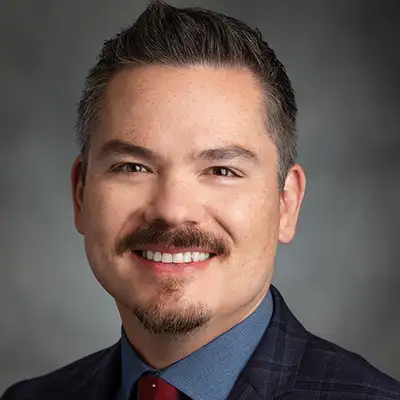
Aaron out the budget concerns. This week, we're joined by Ward Dene Coun. Aaron Paquette for a conversation about the upcoming four-year budget.
Stephanie:
You'll hear him talk about the state of Edmonton's finances, where we can grow revenue and cut costs, and what success looks like.
Mack:
Hi, I'm Mack.
Stephanie:
I'm Stephanie.
Mack:
And we're…
Both:
Speaking Municipally.
Mack:
Welcome back to Speaking Municipally, episode 364. We've got a special episode for you today. This is the first in a two-part series on Edmonton's financial situation or position as we head into both summer break for council, but also in the fall, the four-year budget process, which we've been talking about off and on, Stephanie. But it's really gonna get into the rubber meets the road kinda stuff in September.
Stephanie:
The rubber meets the pothole-ridden crumbling road.
Mack:
That's right. That's a more accurate way to put it. Today we're joined by Aaron Paquette, the councillor for Ward Dene. He was first elected to city council in 2017, and he's among the more experienced members of this current council. He's been through a few budgets already in his time, and so we thought, you know, he'd be a great person to talk to as we, as we head into, this next four-year budget. He's also someone who has written a lot about the city's finances, and almost has taken it upon himself to try to help people understand, you know, these really in-the-weeds topics a little bit better. So I think that's a really great place to start our series.
Stephanie:
Yeah. How did the conversation go?
Mack:
Well, as you'll hear, we covered a lot of ground, everything from the role of municipalities in the Canadian Constitution all the way down to whether or not we should charge people for parking at the Edmonton Valley Zoo. So, a really wide-ranging conversation. But for Coun. Paquette, as you'll hear, it's all one and the same. It's all part of that same conversation.
Stephanie:
Okay, very cool. Well, I'm excited to get into it. Here is Mack's interview with Coun. Paquette.
Mack:
Coun. Paquette, welcome back to Speaking Municipally.
Aaron Paquette:
Hey, thanks for having me.
Mack:
So excited to talk to you about finance and budget, and all of that stuff. I know you've been thinking about this a lot. You've been writing about this. You've been active on Reddit, which I love. Thanks for doing that…
Aaron:
Yeah.
Mack:
On behalf of our community. I wanna start kinda big picture. We're heading into this four-year budget, 2027 to 2030. How would you describe our financial position? When people say, "Budget's coming up," what comes to mind? How, is Edmonton in trouble?
Aaron:
Ugh, I would say the province is in trouble. And Edmonton being part of the province, is part of that equation. And it's not something that is uncontrollable. It seems to be a willful situation.
Mack:
Okay, so when you say the province is in trouble and we're in trouble as a as a result, can you unpack that a little bit? Like, what does that, what does that mean?
Aaron:
Sure. I mean, the majority of our woes right now is the, infrastructure deficit gap. And that happens to be the same, concern in Calgary and all the mid-sized cities, and the rural communities across the board. There's a reason for that. In 2011, we were getting $424 per capita for infrastructure funding, unconstrained. So that's your roads, your potholes, that sort of thing. Today, it's markedly less. You know, it changes per year but, I wrote it down so I wouldn't forget, but it looks like it's about $156. And so…
Mack:
Less than half.
Aaron:
Less than, yeah. But if you adjust for inflation,…
Mack:
Even worse.
Aaron:
It's much worse. It's even worse. It would've been more like $585 per capita in 2011, to 2020, $26. So, it's a massive cut, probably by about two thirds. And so, you can imagine that's having a great impact. In fact, our infrastructure deficit almost exactly aligns with that deficit from the provincial cuts. Now, the some people might be listening and say, "Hey, but, you know, you gotta adjust. Like, that's how it works. You can't just keep getting free money from the province." but I wish that's how it worked. In Canada, we've got this really weird system that is, fairly unique in that the, municipality is the child of the province politically and legislatively, which means that the province basically dictates, our situation as far as bylaws, what we can and can't do, how we can raise revenue, how we can't. And, the way that Canadian municipalities are set up in Canada is we are very reliant on our provinces for existence financially as well. So when the province cuts money, there is no other way for us to raise money except through property taxes. And many people say that these cuts, you know, served multiple purposes for the province politically, and not much as far as governance or problem-solving.
Mack:
You've served, I believe, on the Municipal Finance Committee at FCM, right, the Federation…
Aaron:
I did.
Mack:
Of Canadian Municipalities. So, is this the same situation across the country or is there something unique to Alberta and municipalities here?
Aaron:
It is a bit of a favorite pastime for provinces to download on to municipalities, because they get to look like they're not raising taxes, and then the municipalities have to raise taxes to fulfill different obligations. But Alberta is one of the hardest hit for this kind of approach, for sure.
Mack:
Yeah.
Aaron:
For example, in Ontario, the big cities, they have a health authority and a housing authority, and they get very well-funded by the province for those areas. So, some of the same woes that we see in our streets, are actually taken care of, by giving the cities authority to do it, whereas we do not have that authority in Edmonton.
Mack:
Right. So similar but maybe in some areas worse here in Alberta, in Edmonton.
Aaron:
Similar, markedly worse in Alberta.
Mack:
Okay. When you talk about, infrastructure debt and that gap, and we just did a story about this recently, billions of dollars, you know, potentially more than $10 billion, billions of dollars over the next decade, right? That's part of our budget, so maybe just help people understand operational versus capital budgets. I know there's a connection, obviously, between the two. But, you know, when our property tax bill comes due, we're not directly paying for that infrastructure renewal. At least that's not the way people think about it. It's like the services to keep the city running.
Aaron:
Right, sure.
Mack:
So how do you, how do you explain those things for folks?
Aaron:
So operating is what you do every day. So, you know, with your, if you had the analog for your home budget, it would be your food, your groceries, putting gas in your car, that sort of thing.
Mack:
Electricity, yeah.
Aaron:
Yeah. And it's the same for your city, except we also add, you know, things like asphalt and concrete and steel for upkeep and things like that. Whereas your capital budget is for things you build, essentially. Like so if we need to build a bridge, or we need to build a rec center, or we need to build a fire hall, those would come from the capital budget. And, generally, you never mix the two. Now, every time you build something, there's going to be a operation budget impact on that, because you have to have staff, and you have to now, heat the building and light the building and so on and so forth. But, you keep those separate. And one of the reasons for that is because sometimes you're doing those big builds, you're doing it on debt financing. Not always, but sometimes you are. And, so that means that the actual tax implication for every $100 million you put into capital and so as a borrowing, cost, is about $8 million in, a actual tax implication, or budget growth implication.
Mack:
And so this is the connection, going back to what you said, $424 per thousand for what we were getting from the province. Now that's a lot less. They weren't funding operations, they were funding capital. But because they're not…
Aaron:
No, it's the…
Mack:
We have to now…
Aaron:
Other way around.
Mack:
Is that…
Aaron:
Yeah, so when we're doing, like, road repairs and, you know, bridge repairs and things like that's all coming out of, pay-as-you-go or operating. So that's the unconstrained infrastructure dollars. The constrained is when you're building something like a LRT, and that's a different pool of money and different, investment. So the province might put in a third, Edmonton will put in a third, the federal government will put in a third, and that's our capital expense. That's separate from what the, unconstrained infrastructure funding is for.
Mack:
I see. So you could use…
Aaron:
So it goes on…
Mack:
Unconstrained for…
Aaron:
Big hold.
Mack:
Operations.
Aaron:
Yeah. That's a massive hold.
Mack:
Okay, so it's not just that they're not funding the construction of new roads or the renewal of existing things, it's that they're also not funding, to the, to the extent that they were before, the maintenance and management and operations of those things.
Aaron:
Yeah, and that's the killer.
Mack:
That's the one where there's fewer options, I suppose, for us to do anything about?
Aaron:
Yeah, so if you're, if you're And here's the thing, we know that, Mr. Williams right now is, going around saying, "We want to have a conversation about infrastructure and what we can do." They're not talking about more money. They're talking about what, municipalities can do, which basically I'm assuming is how can we expand your tools for borrowing or debt servicing or doing bonds, which is essentially still a form of debt, right? So they're not looking to actually do anything that would be meaningful for municipalities, because they're certainly not looking at ways to, change revenue generation. They're not going to let us in on any sort of hybrid property tax, income tax sort of, scenario, which would be actually incredible.
Mack:
Like if municipalities, like they do in the United States, could impose their own taxes for things, right?
Aaron:
Precisely, yeah.
Mack:
I want to come back to revenue generation a little bit later, but, you know, now that we kind of have this understanding of the gap, just quickly, what's your take on how, why? How did we get there? Like what is it that led to this situation?
Aaron:
Well, that's a very good question, because it seems so shortsighted to me that, I'm having trouble wrapping my mind around why this exists. At the same time that they are reducing the ability for cities to accommodate new populations, they were inviting new populations. In fact, the premier said her goal was for the Alberta population to be 10 million people. Once we started to feel the pinch of that, they backed off, but we're still dealing with the brunt of it on the municipal level. And it's not just Edmonton. Again, I should stress that whatever Edmontonians are seeing in the, in the news about Edmonton's finances is the exact same headline in every other city, mid-sized to big city, in Alberta.
Mack:
So we hear this a lot, big bad province municipality's trying to do good work, why don't you help us? What do you say to folks who just think, like, "Ugh, I'm so sick of the municipal-provincial fight"? I think it's an important fight, don't get me wrong, but I can understand the position of some people who say, like, "Just deal with it."
Aaron:
Hey, I'm sick of it too.
Mack:
Yeah.
Aaron:
I think it's ridiculous. I think that, it would be great if we could get some kind of, meeting of the minds. Let me put it this way, I don't think that this province is actually interested in good governance and problem-solving. I think they're interested in power and politics and how to retain power. And so any narrative that allows them to point to cities that are a little bit more progressive than the provincial stance and say, "Look what look at what a bad job they're doing. Look how much they're always just complaining with their hand out," politically, that's great, especially among your base in the rural communities, right? So I can't see any, motivation for the province to actually step up and say, "You know what? Why don't we just make sure that this province is functioning properly for everyone, that we're maximizing the capacity of our cities to encourage economic investment and diversification and activity?" … because what does that do for them, politically, right? So that's the challenge, or rain.
Mack:
If we did get to 10 million people, those people are all gonna live in cities…
Aaron:
They're all gonna live in…
Mack:
For the most part.
Aaron:
Cities and towns for the most part. They're not gonna be moving to Sundre. Some of them will, but, the majority obviously are gonna land in Calgary, in Edmonton, in Red Deer, in Grande Prairie, Medicine Hat…
Mack:
Yeah.
Aaron:
Lethbridge. Yeah.
Mack:
And so that's gonna tip the scales of power, politically. So this is a really big question, but is there anything we can do about this from your point of view?
Aaron:
So…
Mack:
To align these incentives better?
Aaron:
It is a tough slog. Failing some sort of groundswell from the population saying, "You know what? We wanna have a little bit of a change," and, you know, put the government on notice, either give them a minority government or change the government, I don't see anything changing at all, because there's no incentive for that.
Mack:
That's a bit bleak…
Aaron:
Yeah.
Mack:
But realistic, I guess. Right?
Aaron:
I mean, if you were genuinely interested in public service and looking at the landscape and saying, "You know what? I've got so many levers at my disposal, you know, oil, revenue is coming in like we've never seen before, maybe we should take this opportunity to right-size funding for cities, make sure that we can take care of the homelessness, mental health, and addictions crisis, maybe get our healthcare in order, maybe get education in order." If we had that kind of attitude, then yeah, you'd see a lot of great change. But, I am basing my projection going forward with what we've seen over the past seven years.
Mack:
Okay, back to budget a little bit. We kind of understand this problem now a little bit better. I think the experience of Edmontonians out there is, "My taxes keep going up, but I don't seem to be getting more service for it." Whether that's true or not, that might be the perception. How do you explain that to folks when you're having these conversations?
Aaron:
I think it's super fair. It's something I think about constantly. So one, another thing we didn't talk about, Mack, is the fact that probably about, and this is conservatively, about 5% of the 6.9%, tax, or budget growth, which turns into your tax rate, is provincial downloads and costs in other forms, not just the infrastructure dollars. And so the council-derived portion is about 1.9%, which is below inflation, nevermind our population growth. And, that sort of implication is huge, because what councils have been doing successfully, or not successfully, successively, and definitely not successfully, over the past many years, is they have tried to keep tax rates at an absolute minimum, which means we're cutting and cutting and cutting every year because of these downloads and extra costs from the province. We're trying to shelter residents from, massive increases. But the only way you can achieve that is by either maintaining services as is without growth or cutting services. And so in this, attempt to do something good for residents…
Mack:
Yeah.
Aaron:
What council has actually delivered is higher prices without the attendant better services. So you feel like, "Eh, more for less."
Mack:
Right. And that growth is population growth. It's also inflation. Are there other growth pressures that people don't think about?
Aaron:
So it's funny that you should ask that, because yeah. So if we did growth in population just for 2026 instead of 1.9% just to stay even, the council-derived portion would be about 4%. But if we did that, then the tax rate would be, you know, 8.9%, and then, and then you add the education tax on top of that, and you're looking at about a 9.7% tax increase. So let's set that aside. What's the other pressure here? It's still growth, but it's not growth in Edmonton, it's growth in the region. And right now, we've got about 400,000 people living in the region around us with our 1.2 million population in Edmonton. What that means is that we've got about 30% of our infrastructure costs are wear and tear, and demand for our services are coming from outside of Edmonton, from people who are not paying into our taxes, but utilizing all those services and infrastructure. So approximately one-third of your Edmonton tax bill is going to subsidize the region.
Mack:
I heard you make this argument at the Edmonton Real Estate Forum, and I think in that room, maybe well-received or maybe indifferent. I wonder how that lands politically with your, you know, fellow councillors around the region. It might be true, what you're saying, I believe you, but it also perhaps is not the most, neighborly, way to talk about it. How is that playing out right now?
Aaron:
Well, I think we're past that point. I think everyone, in if they've given it any thought in the other communities, and some of them have, I've spoken to them, they acknowledge that this is a reality. But the challenge here is that we have to talk about this, because it didn't used to be that, you know, ratio of, 30%. It used to be like 10%. Then it grew to 20%. Now it's 30%. Going forward, you can see that it's gonna be about 40% or 50%. At a certain point, the Edmonton taxpayer will not be able to bear the weight of that additional cost. And what will happen is that Edmonton will start to contract. We're already talking about what rec centers, or pools. I mean, we've been having this conversation since 2018. Should we, should we shut down? What roads are redundant that we can afford to shut down because the sheer cost of maintenance is far too great? As we have those conversations, you're looking at more and more contraction. And as Edmonton contracts, that is damaging for the region. The only way that the region, can have a lot of the tax freedom that they currently experience in their own communities is because Edmonton exists.
Mack:
Right.
Aaron:
And so if we start to decline, the region will decline. So this is an existential conversation for everyone.
Mack:
This is a thing that those leaders in those other communities should care about because…
Aaron:
They should care very deeply about this. But, the, you know, we also have our cyclical election.
Mack:
Yes.
Aaron:
And so it's hard to, if you're looking for reelection, to make plans 10, 15 years out, they may be tough plans if you're hoping to get reelected two years later.
Mack:
Is collaboration the way to get there then? Is it annexation? Like, the city annexed a bunch of land from Leduc County back in, what, 2019, right? I think that was our most recent annexation. Didn't bring a lot of population, didn't bring a lot of new assessment base even. It just brought a lot of land that we could…
Aaron:
Yeah, just brought it over.
Mack:
Potentially, develop. I don't know how successful we've been with that so far. But, you know, Strathcona County probably has the best balance in the region in terms of residential, non-residential tax base. If we just acquired Strathcona County, which isn't gonna happen, would that solve our problem? Like, or is it a, is it a collaboration thing? Is there other ways to tackle that challenge that you're talking about, that 30%?
Aaron:
So you raise a really interesting point. Part of the reason that there was that expropriation in the first place is because the region was growing faster and projected to grow faster than Edmonton as far as maintaining a good ratio. And so we must develop. A lot of people say, "Hey, Paquette, why are you, voting yes for new communities? Don't we have like We're worried about sprawl and adding more onto our bill and, you know, as far as infrastructure." Yeah, that's real. The challenge is that, if we are not growing, in Edmonton and growing that population base, and instead that grows in the region, that ratio that we talked about accelerates faster and puts us in a far more dire position. The good news is that new communities that are being built in greenfield areas, like the, you know, you've got the greenfields for people who don't know and that's where you build instead of, like, you know, an old parking lot. But when you're building…
Mack:
Which is brownfield.
Aaron:
Yeah, brownfield. When you're building in greenfield, we have density requirements now and, developers are voluntarily, sometimes even increasing that from where our requirements are, so that these new neighborhoods become net contributors to the tax base rather than pulling away from it because of new infrastructure. This is not widely understood, but that is the case. It's fairly new. I think in that, forum we were at, one of the speakers said, "This is not your grandfather's greenfield."
Mack:
Yeah.
Aaron:
Right?
Mack:
I think this is a different way of thinking about it. I mean, for me, in all my time watching council, it has been basically just a fact that when we build new neighborhoods, it costs us money. And there is some evidence now, or at least an argument being made that's not entirely true because of what you're saying, that we build them in a more dense way, they can be net contributors. But that doesn't take into account, you know, when we look at those analyses, it's usually about that specific neighborhood, not the overall added pressure that comes across the city in terms of all the services that the City of Edmonton provides. And I wonder if we apportioned that out to these new greenfield areas, if it would still be quite as rosy a picture as you're making it seem.
Aaron:
Again, it's hard to say because, you can take that metric, but it also ignores the further conversation, which is the reason that you want more population is, in order to attract more industrial and commercial and vice versa. Right? If,…
Mack:
Jobs, right?
Aaron:
Yeah, jobs. And so that non-residential tax, is extremely beneficial. It offsets everyone else's tax in residential. It's really where the money is made for a city. And so if you have the population to support the non-residential then you're obviously bringing in far more money than the residential does alone. And, you wouldn't get that if you didn't have the residential.
Mack:
So you wrote about this last year. I think you called it your roadmap for Edmonton. And you talked about kind of three things, the smarter greenfield growth, capturing more of that within the City of Edmonton's boundaries. You talked about the downtown CRL and wanting to boost the amount of tax revenue that we generate from properties within the core. And then you talked about, expanding this non-residential tax base, right? So that increased industrial activity, that kind of thing.
Aaron:
Yeah.
Mack:
Do I have that right? Is that your roadmap of those…
Aaron:
Yeah, that's pretty much the thesis.
Mack:
And those things have to happen at the same time is your argument?
Aaron:
I would say, yeah, they all have to happen at the same time. And so for me, I've been incredibly aggressive in trying to, get this across to administration. I'm finding a lot of buy-in from council, which is great. Everyone's sort of on the same page. We kind of all understand the lay of the land, and so it's just a matter of aligning the pieces and getting it done.
Mack:
It's moving in the right direction. What signals are you paying attention to?
Aaron:
Well, you'll have noticed in the past, year, council has really been aggressive on, promoting, residential builds in the downtown. And this wasn't, this isn't new, by the way. I mean, we have also I mean, Andrew and I, the mayor and I were on council back when we approved the Warehouse Park, which a lot of folks misunderstand, think it's just, like, throwing money, but that was actually, an incentive investment, and it worked. So we, now have a number of, like I haven't even got the new count of new residential builds going on downtown, either right now or, you know, upcoming, that is going to add thousands of units downtown, which is enormous. You know, people talk about a return to office. These residential builds are going to be far more impactful than a move like that could ever be, because now you'll have people living and working downtown, presumably working, maybe not, but still living. That's where they go every day. They're not leaving downtown, at the end of the day. That's where they're, they go out to eat. That's where they're going to be living. So, it's a massive, benefit for the city for sure, because you've also, it also means you've got all these empty lots that are now turning into much higher property values, which means more tax revenue, which means that it cushions the blow, so to speak, for everyone who lives outside of downtown.
Mack:
The thing that I think most people agree on about downtown is we need more people living there. Like, you might disagree about a lot of other things, but most people seem to agree that the more people that live there, the better off downtown is gonna be and by extension the better off the city is gonna be. Richie Lamb from Westrich talked about, you know, this, the Warehouse Park and how much of an impact that or Damon Park and how much of an impact that made, but also the student housing incentives that has been put in place for downtown. So…
Aaron:
That's right.
Mack:
Could we do more of that? Is that part of what you're thinking here?
Aaron:
Yeah.
Mack:
Like, more incentives to encourage even more of this building?
Aaron:
100%. Here's the thing. Every incentive that we give now, there's two schools of thought. Administration prefers the incentive in the form of a grant program. And then there's the builders would prefer an incentive in the form of deferred taxes. So you pick your poison. Administration likes getting the taxes in and then doing the grant program, because that's money in the hand, right? So either way you do it, you've got to do it. And, I think that we've seen it happen in the past. We did it, like, just mid-COVID and it worked extremely successfully. The ones that are in place now are working like gangbusters. So if we just do more of that, it ultimately, at the end of the day, actually costs us nothing and we get, enormous benefit in return.
Mack:
And do you think that it's feasible for this to happen, some, more of this to happen in this budget cycle? Is that on the table?
Aaron:
I think, I think it's imperative for it to happen. And, you know, so we tasked the administration with a economic development plan. They brought us back sort of an interim kind of thing. And so I am in active conversation with our city manager, for example, and talking about how do we actually do this in a way that is sustainable for the market, for one thing, 'cause if you just build everything all at once and you don't have the market for it, that doesn't help you either. But we know that even after our big surge of population growth, we're still gonna get about a 2% growth per year, conservatively speaking. And that 2% is not the 2% that we were looking at in 2020, because the base of population that we have now is so much larger.
Mack:
Right. More with Coun. Paquette in just a minute. This episode is brought to you by Park Power, your friendly local utilities provider and title sponsor of TapRoot's Regional Roundup. Park Power offers electricity, natural gas, and internet to homes, businesses and farms throughout Alberta. It also has a solar club that you might wanna check out. If you live in Alberta and have a solar PV system, Park Power can offer you some of the best solar power buyback rates in the province. Get rewarded for your contribution to Alberta's renewable energy. Learn more at parkpower.ca. That's parkpower.ca. Now back to our interview with Coun. Paquette.
Mack:
Okay. You folks just wrapped up engagement on the budget. We're awaiting the results of that. There's gonna be a report obviously from administration. But in your ward, the ones that you participated in, what did you hear from residents? What is, what's on their mind? What are they thinking as we head into budget?
Aaron:
You know, it's really fascinating because there's a very loud contingent online who are, very dissatisfied with the city and with all the budget decisions, right? And I take that very seriously because you want to get criticism because it's the only way that you can improve. But at the same time, when you go out into the community, you talk to people at the doors or they come to a budget event, the message is a little bit different. And the message is, "We understand where the city is at, we understand the pressures. We understand that you can't do everything, but we're pretty happy with the programs and services." You know, some people say, "Yeah, to get a tax cut, maybe reduce those program services." But then the other half of people say, "I kinda, I wouldn't mind paying a bit more to have a, you know, a better city." So there really is like a 50-50 split and, what's really fascinating is that, and this is coming from folks who are not knee-deep in budget issues and provincial constraints and all this sort of thing. It's just their everyday lived experience.
Mack:
Well, color me shocked that the people behind the keyboard have the most unrealistic take on things. Interesting.
Aaron:
I would put it this way, they're hopeful for a better future.
Mack:
Well, you've been very engaged on Reddit. Is this part of your approach? Like, you've not only been super engaged on Reddit, but, like, you've been blogging a lot about this stuff. It feels like you're kinda doing work that maybe administration should be doing. I don't know. Why is it so important to you to connect with people online about finances, about budget?
Aaron:
You know, it's really important for me to do what I can to help people understand their city, because a lot of anger, anxiety, and angst can come from just lack of knowledge. If you don't know something, if you don't how, know how something works and it doesn't seem to be serving you or it's confusing, that can lead to a lot of, like, uncertainty and no one likes to be in that place. So if I can provide a little bit of information and… … that helps people feel a little more informed. They may not agree, but they're more informed. That can reduce the anxiety when we can have better conversations.
Mack:
Okay. When people talk about, "Well, maybe I'd pay a little bit more for a better outcome. I understand the situation," what's your thought on property tax increases versus, say, user fees? Which is another way that people can pay more, maybe has some other pros and cons.
Aaron:
You know, it's funny because, it gets into this real conversation about who pays for what. I'll give you an example. The road in front of your house where you might park your car is maintained by everyone, right? Same with the parking lots at attractions. So, this was something that was in the news. Like, should we be charging for parking at, like, the zoo, for example, or at rec centers? The challenge here is that everyone is paying into that rec center parking lot, but not everyone is using it. And so is it fair to ask people who don't drive to the rec center, who may walk or bike or take a bus, to subsidize the parking for everyone else who does drive, right? And what is the benefit that they're getting out of subsidizing that? Because the opposite could be said is like, "I always drive, I never take the bus. I'm subsidizing the bus. Where's the benefit for me?" Well, in that case, you can clearly point it out. We're getting more cars off the road. It's more efficient, has less wear and tear on infrastructure, so it actually saves you money. It's actually good for you to help subsidize the bus. But is it good for those who take the bus to help subsidize the parking lot? And the question is obviously, not really. It doesn't really help them at all. They'll never access it, and in fact, it just costs them money and there's no return on investment for them. But then the question is, well, okay, so where do you draw the line between providing a public service for everyone versus making the user pay? And that's the really, the conversation. And, I hope that by putting in that term, it kinda, it clarifies to people why you would even have that conversation.
Mack:
Yeah, I think that's right. I mean, I think you could make the argument that having the zoo, having attractions, even if you yourself don't use them, is part of what makes our city attractive to people, an enjoyable place to live. And so paying to that…
Aaron:
Yeah. So there's the social return.
Mack:
Is a, is a benefit. There's a return on that.
Aaron:
Yeah. You get a social return, not a financial return, and that matters. And a lot of people forget how important that is. The quality of life discussion in a city is incredibly important, you know, and you cannot discount it. You can't say like, "Oh, we don't want festivals, we don't want art, we don't want, things to look nice, you know, we don't like It's all a waste of money because, like, we should be looking at mere survival, subsistence level living."
Mack:
Yeah. Roads and pipes.
Aaron:
What's the really? What's the point then?
Mack:
Yeah.
Aaron:
Right?
Mack:
I agree.
Aaron:
So, the social return is huge. And then, of course, is the zoo, is the rec center going to get as many patrons if there aren't people who are driving or parking? So, that's the financial benefit, right? So, you've gotta, like, it isn't a straightforward answer. And then what do you do with those parking fees?
Mack:
Where do you draw the line? 'Cause if you follow this line of thinking all the way to its logical conclusion, you might end up in a situation where every property tax bill or every tax bill that a resident gets is highly unique. It's like, "Oh, you don't use the zoo? We'll take that out. You don't use Haven't had to-"…
Aaron:
Yeah.
Mack:
"… call the fire department in the last year, I guess we'll take that out." Like, that doesn't make sense, obviously. So what, where's the line here?
Aaron:
Right. Yeah. So, then the question is like, do you want to have that user fee component or do you just bake it into the property tax? Because you can charge someone, even if it's just like five bucks to park, for the rec center. Well, you spread that out on a property tax implication, what does it come out to? Like 0.001 cents for everyone?
Mack:
Right.
Aaron:
Like…
Mack:
Is that where you land then? Not user fees, but bake it into the property tax?
Aaron:
Well, it's where I land right now. As you know, by law, I have to keep an open mind and, you know, be, receptive to new information.
Mack:
To be an effective councillor, you have to be willing to take in new information and change your mind.
Aaron:
Yeah. And that frustrates some residents because,…
Mack:
Yeah.
Aaron:
I say like, "At this point, this is my position, however." because, you know, you love to see on your provincial and federal level, like, "Absolutely not. We don't like this. Ew, never vote for it." But on a municipal level, we actually, value rationality and reason and conversation and debate and getting to a better conclusion without cutting off avenues of information.
Mack:
Well, on this note, you've been on council since 2017. What has, what have you learned? What have you changed your mind about related to the budget? Like, what did you come into council thinking one thing and now having been there for almost a decade, you've got a totally different take on it?
Aaron:
I used to have faith in, the relationship between municipalities and the province, thinking like, we could work together to provide a better city and life for all Albertans. I don't believe that anymore. Even if we got a change in government that was really awesome and great for cities, always in the back of my mind would be the knowledge that things could change on a coin flip. And so one of the things that I've, I did not contemplate when I first started that I am quite serious about now, is that we need to change the status of municipalities in the Canadian Constitution. And I believe that I've got, at least verbal support from hundreds of representatives across Canada on the municipal level who are experiencing these challenges daily, and… … whether that translates into real change or not, I don't know. But what I do know is that the world has changed. Today, our big cities are players in a global marketplace. They're economic powerhouses and are politically and ideologically punished or constrained by our provincial governments who essentially dictate our very existence. And so it is unsustainable and it doesn't work, and hasn't worked in a long time.
Mack:
What can you do about that from your position as a councillor here in Edmonton?
Aaron:
Yeah, these are big questions and I, like, someone would be like, "Paquette, why are you worrying about that? I got a pothole down the street. Go fix it."
Mack:
Yeah. Yeah.
Aaron:
This is the exact This is all the same conversation. You know, the reason we can't fix your pothole is because we've been brutally, treated by a provincial government who actually doesn't care if you got a pothole down the street, obviously, because of their funding. You can see the values of a government in how they deploy their budget. And so they don't care about your pothole, they don't care about that. What they care about is the political advantage of every decision. And if that doesn't politically, advance what they want to do, it doesn't matter. So it's a, it's a very different, situation. Now, what can you do as a councillor? Well, recently, council passed a motion, a six-part motion I made that asks to explore these very questions, and they've been explored by, researchers and constitutional lawyers for a very long time, and the argument is there. We'll see what administration comes back with. It's just sort of a high-level scan, and we'll see what conversations, can happen, in Edmonton, with Calgary, with Vancouver, with Toronto, and across Canada through, the Federation of Canadian Municipalities. So we'll find out.
Mack:
Well, perhaps this is the right time for that conversation. There's a lot of other things on the table that one would have thought would not be on the table, right?
Aaron:
Yeah. Well, just this conversation of separation. The majority of Albertans don't even wanna entertain this conversation, yet it's happening anyway. It's scaring away billions of dollars of investment from, Edmonton alone, nevermind the entirety of the province. How does that make sense? How does that make sense to cater to a minority group of people who want to do something that the rest of the population thinks is patently insane? That tells you everything you need to know. That willfully, people are, the people that, live in Edmonton and all other cities in Alberta are being willfully hurt financially and emotionally by this conversation, and yet they went forward anyway in the name of democracy. It's bizarre.
Mack:
These are big questions, and I think it's important to engage in big questions if we wanna have any kinda hope of changing things. The reality, though, is in the fall, you still have a job to do…
Aaron:
Yeah.
Mack:
Around budget. You still gotta make hard decisions in this four-year budget, in this discussion, and in this process. So…
Aaron:
Yeah.
Mack:
You know, we've heard several people in council talk about how it's gonna be a budget of restraint. We have to be judicious in what we say yes to. What is your approach gonna look like? How are you gonna decide what we say yes to, what we don't in this budget?
Aaron:
I would say, what is new in that, in that message? When have you not heard that message, Mack?
Mack:
That's fair. That's fair. I think this, there's always the conversation. There's never enough money, to do the, all the things that we wanna do. But it does seem a little bit more extreme this time, the question of growth versus renewal.
Aaron:
It is getting tougher every year.
Mack:
Right?
Aaron:
It's getting tougher every year. That's a fact. I will tell you I don't foresee any large city building projects at all on the table.
Mack:
So no new big rec centers or anything like that?
Aaron:
If anything, it's just maintenance. Like, we need a, you know, a bus garage. That's about it. What else do you need? Some fire halls. Okay. New rec centers? Absolutely not. You know? You know, the quality of life stuff, off the table for a lot of, a lot of places. And then people will People will still get mad 'cause they're gonna get their tax bill and they're gonna say like, "Why is $100,000 going toward this, like, you know, Green Shack program or whatever?" you know, that's not necessary for survival. They're right. But it is necessary for cohesion in a community. So these are the things that people don't always see, and there's gonna be a lot of debate about that.
Mack:
Do you have anything specifically for you that comes to mind that is, you know, we should stop funding that, or that is an area that we are really underinvesting in? You know, both sides of that equation.
Aaron:
We're underinvesting in transit to a massive degree. And we're underinvesting in, arterials. Those are the two big ones, in my opinion. I mean, if you wanna talk quality of life, though, we're also underinvesting in, the play opportunities for kids, like spray parks and playgrounds and things like that, and we need more of those, obviously. We're in conversation with developers for new communities where they are building them in advance, but what do you do with all the communities that don't have them and haven't had them in their entire existence, right? So those are, those are some of the things that I think about.
Mack:
And what about things we should stop spending money on?
Aaron:
Yeah. I mean, everyone's gonna have their own list.
Mack:
Yeah. What's your list?
Aaron:
For me, jeez. You know, you have to remember, I've been on council while we cut $1.9 billion out of the budget, ongoing, out of a, out of a currently $4.6 billion operating budget. So, there isn't really a lot left. I mean, in the, in the last budget, in 2024, council cut even the city farm. They cut yards and balloon. You know, these are the things that people love and it's just searching for the pennies. So, when you say, "What should we stop spending on?" it's a tough, it's a tough thing. Like, do you stop spending on, anti-racism initiatives? Do you stop spending on safe places for, people who are marginalized in the community who otherwise wouldn't have, anywhere and maybe you'd find more homeless kids as a result? Like, every single element that is left in the budget I think is pretty important. And everyone's gonna find something that they don't like, "Oh, why are we spending that much on sports? Get rid of that."
Mack:
Golf courses.
Aaron:
Golf course is a big one.
Mack:
Free parking.
Aaron:
Yeah, but the thing is, we're not losing money on golf courses, right? Could you make money off of developing the land? Absolutely not. Because it's in flood plains.
Mack:
That's why we're not gonna develop in the River Valley, right? Yep.
Aaron:
And we're not developing in the River Valley. So, that's kind of a challenge. Where you would stop spending money is, what about aging facilities that people are still using that are important to them, like pools? What about a road that might be redundant that people use for their commute every day? Do you just shut that down? Maybe. So, but at the end of the day, even making those cuts, what real impact is it gonna have on the budget at this point?
Mack:
Well, this is the, this is the thing about the $1.9 billion that you mentioned, that administration has talked about too, the savings that has happened over the last number of years. Does it have a material day-to-day impact for people? I guess the argument is that if we didn't find those efficiencies, your tax bill would've been even higher. But it's kind of a hard argument to make. Like, "Hey, look, we saved almost $2 billion." And people are like, "But I don't…" Wait, what?
Aaron:
But my, but thing, like this road sucks. My tax still go up Yeah, I still have potholes. You're cutting hours at the rec center, you're raising prices, now you wanna charge me for parking.
Mack:
Right.
Aaron:
Like, yeah. So, it's…
Mack:
That's hard.
Aaron:
Yeah. You know, and maybe I stand a little bit uniquely in that I really believe, and here's an example. During the, that massive snowfall we had, people were hiring private contractors to come clear out windrows in front of their street, or clear their cul-de-sac or whatever it was. And everyone in the community who, wanted that, were as happy to just pitch in, like, $50 to hire this contractor. Do you know what $50 could do, on the tax bill to increase the snow and ice service? It's huge.
Mack:
Yeah.
Aaron:
It'd be crazy. You know, like, you could do so much more. I really firmly believe that if the value proposition is there, if you could say to Edmontonians, "Look, here's what you're going to get, and this is how it's going to improve," that the majority of Edmontonians would say, "You know what? That's worth that extra $25 per year. Like, throw that in that, as that one-time increase, throw it in, because I'm tired of seeing my city get worse, or my services get worse. I would like to see an improvement. If I'm paying more taxes anyway, what do I care if it's 5.6 versus 5.7?" Caveat to that, a lot of people are suffering. Maybe $25 is a big deal to them per year. You've got, seniors on a fixed income who are saying, "$25? Like, that just, now I'm deciding between medication and food." But if they own their home, there are ways to mitigate that, and that is through that provincial program where you have tax deferrals, and instead it goes to the future sale of your home. So, when you sell your home, all those tax deferrals get taken care of at that point. People don't really wanna avail themselves of that, because they want the full value when they sell their home. But, in time, if you don't have any other money and you still wanna live in the city, and you still wanna live in the same property instead of selling and downsizing a little bit, that's the choice you have to make, right? And none of this, again, none of this, none of this conversation would be necessary if we had an actual healthy relationship with a province who actually cared about cities.
Mack:
So, those questions of equity aside, why don't we see something like what you described? You know, the tax bill says, "$25, that's all going to this thing over here." Like, that's not typically how the communication rolls out. There's a little…
Aaron:
No, it…
Mack:
Bit of, like, "This percentage is for this," or whatever, but not really. We don't get that level of understanding about, "Okay, we're paying a bit more, but here's exactly what we're getting for it." Like, what are the barriers for that to happen?
Aaron:
That's a very good question. This is something that I've asked of administration, along with many other things for years and years and years, and never got. In fact, council has very clearly said, "We want to see an extremely clear demarcation between your property tax bill and what the province is charging you on the property tax bill, so people understand." Instead, we get a little line on the tax bill that, you know, most people won't even catch. Right?
Mack:
Yeah, they won't look at it. They just see the dollars…
Aaron:
So, I don't know…
Mack:
They gotta go pay.
Aaron:
And so this goes back to one of your very first questions. Why am I doing work like this? Like, that you're think, "Oh, isn't that admin work? It's not just city communications work?" Do you know, I once asked for an infographic on how many potholes we fill per year and what the process is. And it took two years of me badgering to get a response back, and it wasn't even what I asked for. And so You'll notice that I've put in enormous amounts of work, to create communication for residents, to help them understand the city a little bit better, but I'm just one guy. And I'm putting in I've already put in this year probably, like, easily, more than, like, my salary would ever pay me. If I was doing a freelance, I would have made way more than I'm making right now. And so…
Mack:
Your snow and ice budget tool in particular was pretty involved for…
Aaron:
Yeah. I did not take a Christmas vacation. I just I literally worked 14 hours a day on that thing.
Mack:
Wow.
Aaron:
Yeah. So…
Mack:
You're So you're a programmer now. We should put you to work in administration, solving problems.
Aaron:
Oh, my God. Lots of credit to my son and to GitHub and to forums.
Mack:
Yeah.
Aaron:
It did not It just not sprung out of my head, just in independence. I had a lot of help. Yeah.
Mack:
But that just speaks to the importance of it, right, for you, that you would put all that time into it?
Aaron:
Yeah. But it's important for the, for the people, and I think it's just like What I did was just fundamental table stakes of how a city should communicate. But for some reason, it's been like pulling teeth with city administration to get that level of communication out there, which any corporation that is trying to convince their shareholders or their potential customers of why they're great would have things like that in place.
Mack:
Yeah. It's part of the job.
Aaron:
Yeah.
Mack:
Well, we gotta wrap this conversation up, so what I want to know from you is what you think success will look like on this four-year budget. And it's hard to predict the future, so I'm not asking you to predict the future. But for this process in the fall, when we get to December, before we go on holiday break, what's success look like there? And then, you know, when we look back on the, those decisions that were made, knowing that we're gonna adjust it every year to match reality, what kinds of things would say, to you, that those were the right decisions we made at that time?
Aaron:
So one criticism council always gets, no matter the council, my entire life I've heard this, is, you know, "Focus on the basics. Focus on the core deliverables."
Mack:
Back to basics. Yeah. Yep.
Aaron:
Yeah. Of course that's what everyone does when it comes to it. Like, there's never not a focus on that. And just because you don't see it in the news every day, doesn't mean it's not happening. And the reason you don't see it in the news, every day is 'cause it's boring. Never get a click on that headline. "Council doing its job." All right. All you'll hear is, like, when things are a little bit awry, which is great. You wanna see You wanna know that. You want that to be transparent, but people then get the impression that's all there is all the things that go awry, which is actually a very small percentage of the day-to-day stuff. When you go out your front door and you have your day, guess what? Hundreds of thousands of things went right for you to have that day. But that's unseen. So success in this budget would mean do everything in the budget that you actually need. And we no Most councils never do that, 'cause you Again, you wanna keep that tax rate low that year. Here's the trap, Mack, and this is very important to understand. Every time council says, "Oh, I'm making hard decisions by not funding this," that is the easy decision. The hard decision is to actually fund something. And it's also the right decision, because every cost deferred is a greater cost incurred as you go along, meaning that if you don't take care of it now, you're still gonna have to take care of it, and it's gonna cost taxpayers a whole lot more in the future. So to me, success is take care of things now. If you have to frontload the first year, that four-year budget, with an enormous amount of work and it's a big sticker shock, do it, because you're saving people in the long term. Budgets are not yearly events. They're a continuum, and if you are not seeing it that way, you make short-sighted decisions that don't ultimately serve the public over the years. And that, to me, is what success looks like.
Mack:
Well, councillor, thank you for coming to talk to us about budget. This has been a great conversation. I've learned a lot about this and I think it's really interesting to hear the way you're thinking about this and look forward to all of those discussions with your colleagues through the fall.
Aaron:
My pleasure.
Mack:
Yeah.
Aaron:
And if you wanna have, like, 187 more hours of this, I'm happy to…
Mack:
I feel like we could…
Aaron:
To dig into…
Mack:
We could keep going. Before I let you go, on Speaking Municipally, we like to give people an opportunity to plug something or talk about anything. Anything you want the listeners and viewers to know.
Aaron:
Wow. Okay.
Mack:
From the office of Coun. Paquette, or from Aaron Paquette, the citizen.
Aaron:
Here is my plug. Be kind. We're facing, everyone's facing a lot of stuff, a lot of fear, a lot of anxiety. You know, just from the local thing, where you see someone in distress in the streets, to global events, to provincial stuff, on and on and on. It can wear you down. It can make you feel hopeless. It can, cause division with you and someone else, and make you distrust your systems and your community. But the fact is, people are good. No one is the villain in their story. Everyone's trying to do the best they can. And we never know what someone else is suffering or going through, so be kind. It doesn't cost anything and you'll feel better as a result.
Mack:
Love it. Great way to end. Thank you, councillor.
Aaron:
All right. Take care.
Stephanie:
All right. Great stuff, So what did you take away from the interview?
Mack:
Well, I was a bit surprised that Coun. Paquette talked so much about the relationship between the province and municipalities. I mean, I get it. If you hear what he's saying, it's really the root of a lot of the challenges that we've got. And council does talk about it. He understands the, you know, concern from folks that we're just blaming each other and we're not actually getting anywhere. But, you know, he's thinking more deeply about this, more structurally. And so, that was a thing that stuck with me. And then the other thing that kind of, you know, if I look back on the interview that I was thinking about is just balance. And I think this is obviously not a surprise, but you'll You kinda heard him talk about, "Well, we could do this or we could do that, or we need to do a bit of this and a little bit of that." Like, there's so many decisions that need to be made and they're not black and white. There's really a spectrum of choices that, council is faced with. And so, you know, I think he's being thoughtful about it. Seems to be, at least. We'll see how much of that translates into those budget discussions in the fall, because as we know from covering this in the past, it can get, it can get heated. It can get fraught with tension and that sort of thing, but he seems to be coming at it, at least heading into the summer break, very thoughtfully.
Stephanie:
Well, yeah. Like I said, that's very interesting stuff. And I can kind of already see the contrast with how, Paquette, who has many budgets under his belt, and with our guest for next week, which is a newer, city councillor Reed Clarke of Ward Nakota Isga. And yeah, that's gonna be the episode for next week.
Mack:
Well, looking forward to that. Until then, I'm Mack.
Stephanie:
I'm Stephanie.
Aaron:
I'm Aaron.
Mack:
And we're…
All:
Speaking Municipally.
Creators and Guests